
Passive cooling techniques are design and lifestyle strategies that reduce indoor heat gain and enhance natural ventilation without relying on expensive, energy-hungry air conditioning. By leveraging the laws of thermodynamics—specifically convection, radiation, and evaporation—you can maintain thermal comfort using zero or minimal electricity. Utilizing natural cooling without AC is not only an eco-friendly choice but a practical necessity as global energy costs and temperatures rise.
📌 Table of Contents
- The Science of Heat: How Passive Cooling Works
- Advanced Passive Cooling Techniques for Modern Homes
- Climate-Specific DIY Passive Cooling Methods
- Low-Cost Cooling Solutions for Indian Climates
- Common Misconceptions: The “Open Window” Trap
- Future Trends in Sustainable Architecture
- Frequently Asked Questions (FAQ)
The Science of Heat: How Passive Cooling Works
To understand how to cool a house in summer naturally, we must first identify how heat enters a building. Heat moves via:
- Radiation: Sunlight hitting your roof and windows.
- Conduction: Heat traveling through solid concrete or brick walls.
- Convection: Warm air rising and circulating through rooms.
Passive cooling techniques focus on two pillars: Heat Prevention (blocking solar gain) and Heat Dissipation (removing stored heat). By optimizing these, you can reduce indoor temperatures by 3°C to 8°C without mechanical help.
Advanced Passive Cooling Techniques for Modern Homes
Beyond simple curtains, deep-dive architectural strategies can significantly alter your home’s microclimate.
1. Solar Chimneys and the Stack Effect
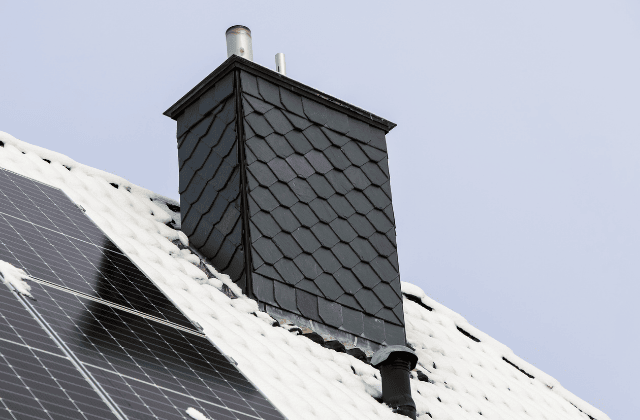
A solar chimney is a vertical shaft designed to improve natural ventilation. By painting the chimney black, it absorbs solar heat, warming the air inside. This hot air rises rapidly, creating a vacuum that pulls cooler air from lower windows or shaded gardens into the living space. This is a premier method of passive cooling for homes during windless days.
2. Earth Coupling (Earth-to-Air Heat Exchangers)
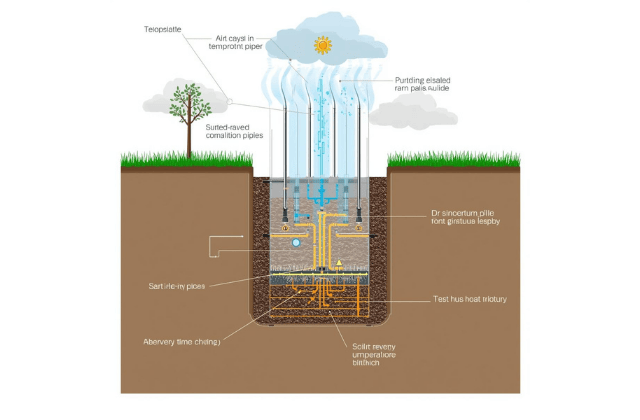
The ground temperature just 2–3 meters below the surface remains constant (roughly 18°C to 22°C). By installing “earth tubes”—underground pipes that air travels through before entering the house—you use the earth as a natural heat sink to pre-cool the air.
3. Night Sky Radiant Cooling

This involves using the roof as a radiator. At night, surfaces emit infrared radiation toward the cold sky. By using high-emissivity materials or even temporary water ponds on flat roofs (roof pond cooling), the structure sheds heat into the atmosphere, cooling the thermal mass of the building for the following day.
Climate-Specific DIY Passive Cooling Methods
Your strategy should change based on whether your environment is dry or humid.
| Climate Type | Recommended DIY Technique | Why it Works |
| Hot & Dry | Evaporative Cooling (Wet Mats) | Uses low humidity to turn liquid water into vapor, stripping heat from the air. |
| Hot & Humid | High-Volume Cross Ventilation | Moving air doesn’t lower temperature, but it speeds up sweat evaporation on the skin. |
| Urban/City | High-Albedo (White) Coatings | Reflects up to 80% of sunlight, countering the “Urban Heat Island” effect. |
The “Night Flush” Method
This is one of the most effective DIY passive cooling methods. Open all windows and internal doors only when the outside temperature is lower than the inside (usually 10 PM to 7 AM). This “flushes” the heat stored in your walls and furniture. Close everything—including thick blinds—before the sun hits at 8 AM.
Low-Cost Cooling Solutions for Indian Climates
In regions like India, traditional wisdom provides some of the best low-cost cooling solutions India has to offer.
- The Khus (Vetiver) Screen: Hanging wet vetiver mats over windows. As hot air passes through the damp, fragrant roots, it cools significantly.
- Terracotta Jali Walls: Using perforated brickwork or “Jalis” creates a Venturi effect—compressing air as it passes through small openings, which naturally lowers its temperature.
- White Lime Wash: A traditional and incredibly cheap way to create a “cool roof” by painting rooftops with a mixture of lime and water.
Common Misconceptions: The “Open Window” Trap
A major mistake in natural cooling without AC is leaving windows open during a hot day.
The Rule: If the outside air is 40°C and your house is 32°C, an open window is a heater. Keep your home sealed during the day. Fans do not cool rooms; they only cool people via the wind-chill effect. Turn them off when you leave the room to save energy.
Future Trends in Sustainable Architecture
Organizations like the IPCC and UN-Habitat emphasize that sustainable cooling is a human right. Emerging trends include:
- Phase Change Materials (PCMs): “Smart” drywall that absorbs heat during the day and solidifies at night.
- Vertical Forests: Balcony gardens that provide shade and “evapotranspiration” to cool entire apartment blocks.
Conclusion
Implementing passive cooling techniques isn’t just about saving money—it’s about building resilience. By combining ancient wisdom like Khus mats with modern science like solar chimneys, you can create a sanctuary that stays comfortable even during extreme heatwaves.
Also Read: – 10 Ways to Start Living a Sustainable Life
Frequently Asked Questions (FAQ)
What is the science behind passive cooling?
Passive cooling works by reducing heat gain and enhancing natural heat loss through building orientation, ventilation, shading, and thermal mass—without using mechanical air conditioning.
What are advanced passive cooling techniques used in modern homes?
Modern homes use techniques such as green roofs, ventilated façades, high-albedo materials, thermal insulation, earth air tunnels, and smart architectural design.
Can passive cooling methods be applied as DIY solutions?
Yes. Simple DIY methods include reflective roof coatings, indoor plants, cross-ventilation planning, shading windows, and using natural materials suited to the local climate.
What are low-cost passive cooling solutions for Indian climates?
Low-cost solutions include cool roofs, jali walls, courtyards, bamboo shading, mud or lime plaster, and strategic window placement to maximize airflow.
Why is keeping windows open not always effective for cooling?
Opening windows during hot daytime hours can trap warm air inside. Passive cooling works best when ventilation is timed with cooler outdoor temperatures.
What are the future trends in sustainable and passive architecture?
Future trends include climate-responsive design, net-zero energy buildings, smart materials, AI-assisted ventilation, and integration of traditional cooling wisdom with modern technology.