Environment
-

Ocean Acidification 2026: Why Our Seas are Changing?
Ocean acidification is often called the “evil twin” of climate change. While global warming heats the atmosphere, ocean acidification 2026 refers to the ongoing decrease in the pH levels of Earth’s oceans, primarily caused by the uptake of anthropogenic carbon dioxide (CO2) from the atmosphere. Since the Industrial Revolution, the ocean has absorbed roughly 30%
-
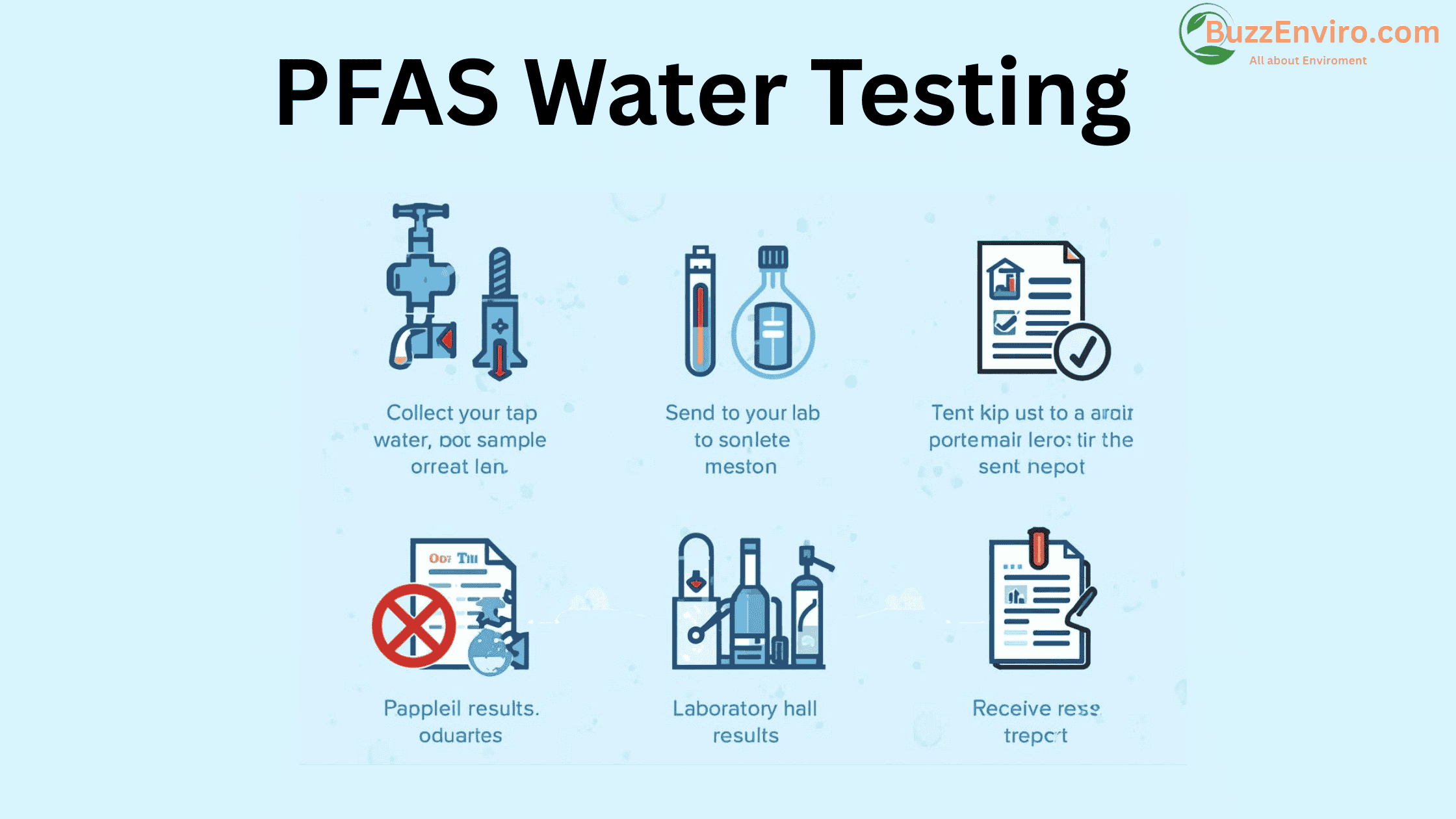
PFAS Water Testing: How to Check Your Tap Water for Forever Chemicals
Meta Description: Worried about PFAS in your tap water? Learn how to test for “forever chemicals” using certified labs and home kits, plus understand EPA’s 2026 safety standards. Per- and polyfluoroalkyl substances, commonly known as PFAS, are a group of synthetic chemicals used in consumer products since the 1940s. Often called “forever chemicals” because they
-
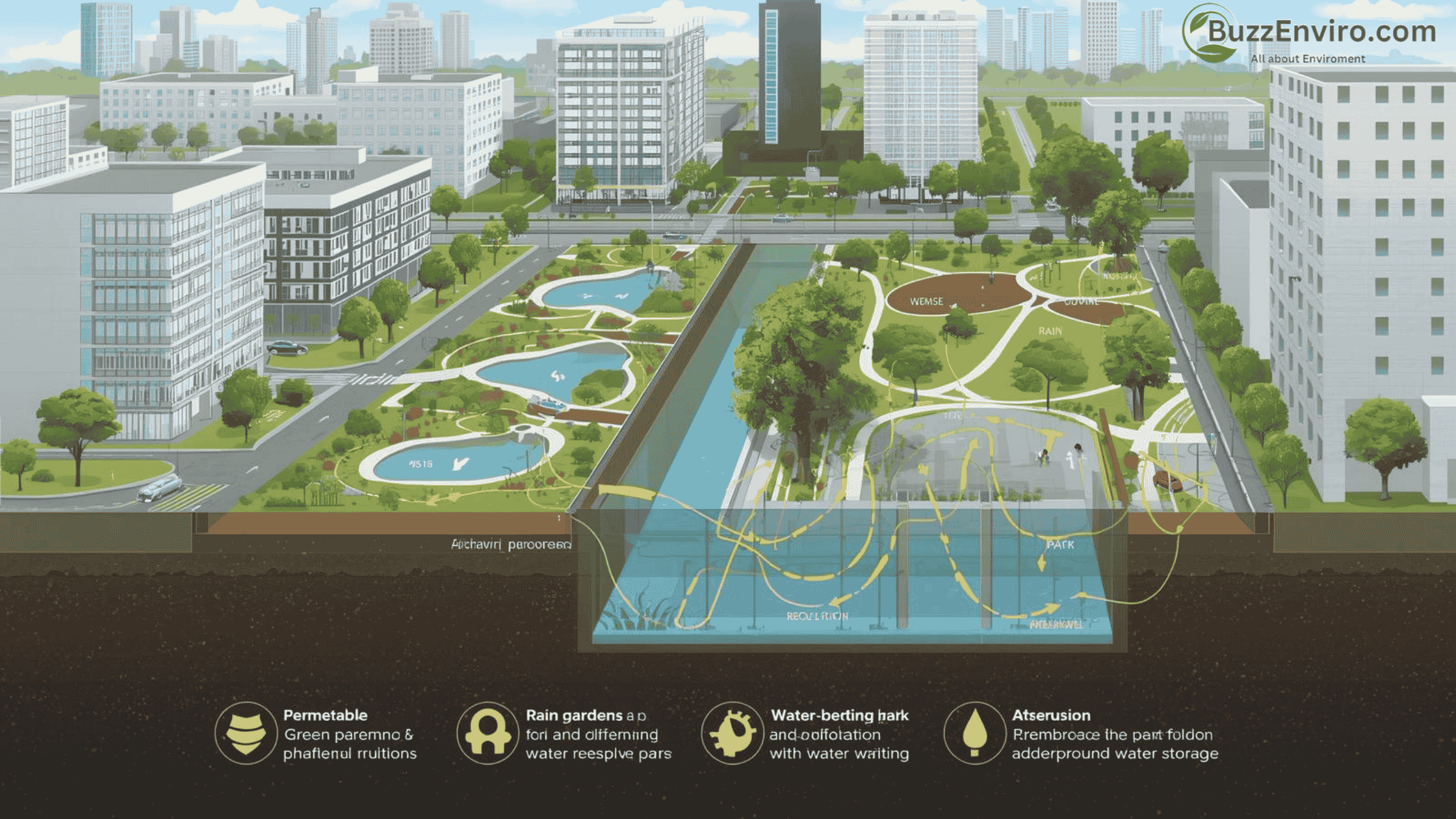
How Sponge Cities Are Redesigning Urban Flood Protection (Real Examples)
Urban flooding is no longer an occasional disruption—it is becoming a recurring crisis. Cities across the world are experiencing flash floods that overwhelm drainage systems, damage infrastructure, displace communities, and expose deep flaws in how urban areas are designed. The problem is not just heavier rainfall. It is how cities handle water. In response, a
-

AI Waste Sorting: Is It the Future of Home Recycling?
In 2026, the humble kitchen trash can is undergoing a high-tech metamorphosis. As global waste volumes continue to climb and recycling regulations become increasingly stringent, the emergence of AI waste sorting at the residential level is promising to solve a decades-old problem: the “wish-cycling” dilemma. We’ve all been there—hovering over a bin with a greasy
-

EV Battery Safety: Risks, Fire Prevention, and Safety Standards Explained
EV battery safety refers to the suite of design features, chemical stabilities, and electronic monitoring systems intended to prevent uncontrolled energy releases, such as fires or explosions. While high-profile incidents often make headlines, the reality is that electric vehicles (EVs) are statistically safer than their petrol counterparts. As of 2026, data shows EVs are roughly
-
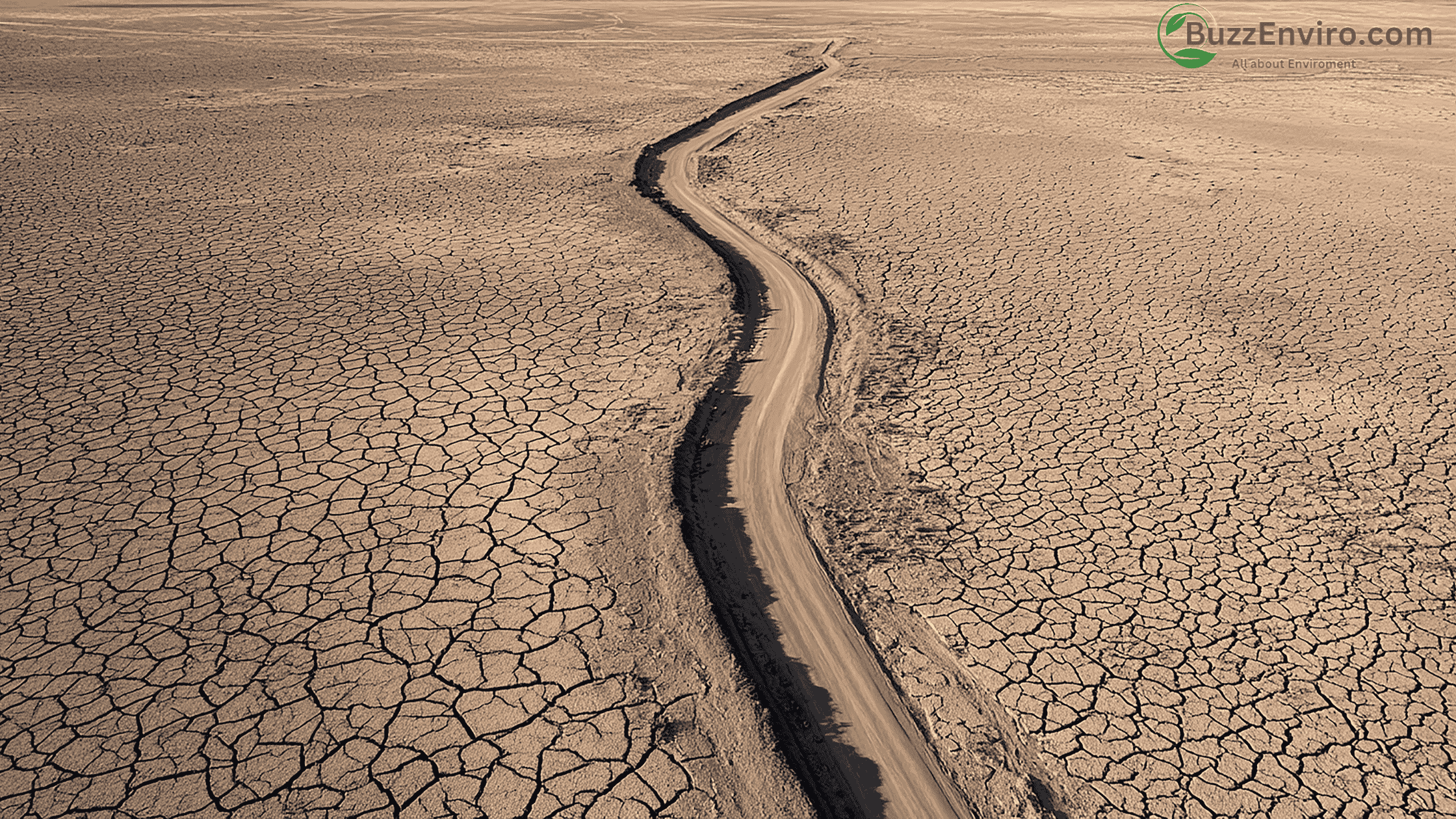
Beyond the Crisis: Navigating the Era of Global Water Bankruptcy in 2026
For decades, the world was warned of a looming “water crisis.” But as of January 2026, that terminology has been officially retired by the highest levels of global governance. In a landmark report titled Global Water Bankruptcy: Living Beyond Our Hydrological Means in the Post-Crisis Era, the United Nations University (UNU-INWEH) has declared that we
-
The 1.5 Degree Overshoot 2026
As of January 27, 2026, the “1.5°C Target” has transitioned from a future goal to a present-day forensic analysis. Following 2024 (the warmest year on record at 1.55°C) and 2025’s record-breaking La Niña heat, we are no longer “preventing” a breach; we are managing an Overshoot. 1. The Trajectory: Visualizing the 2026 Breach NASA and
-
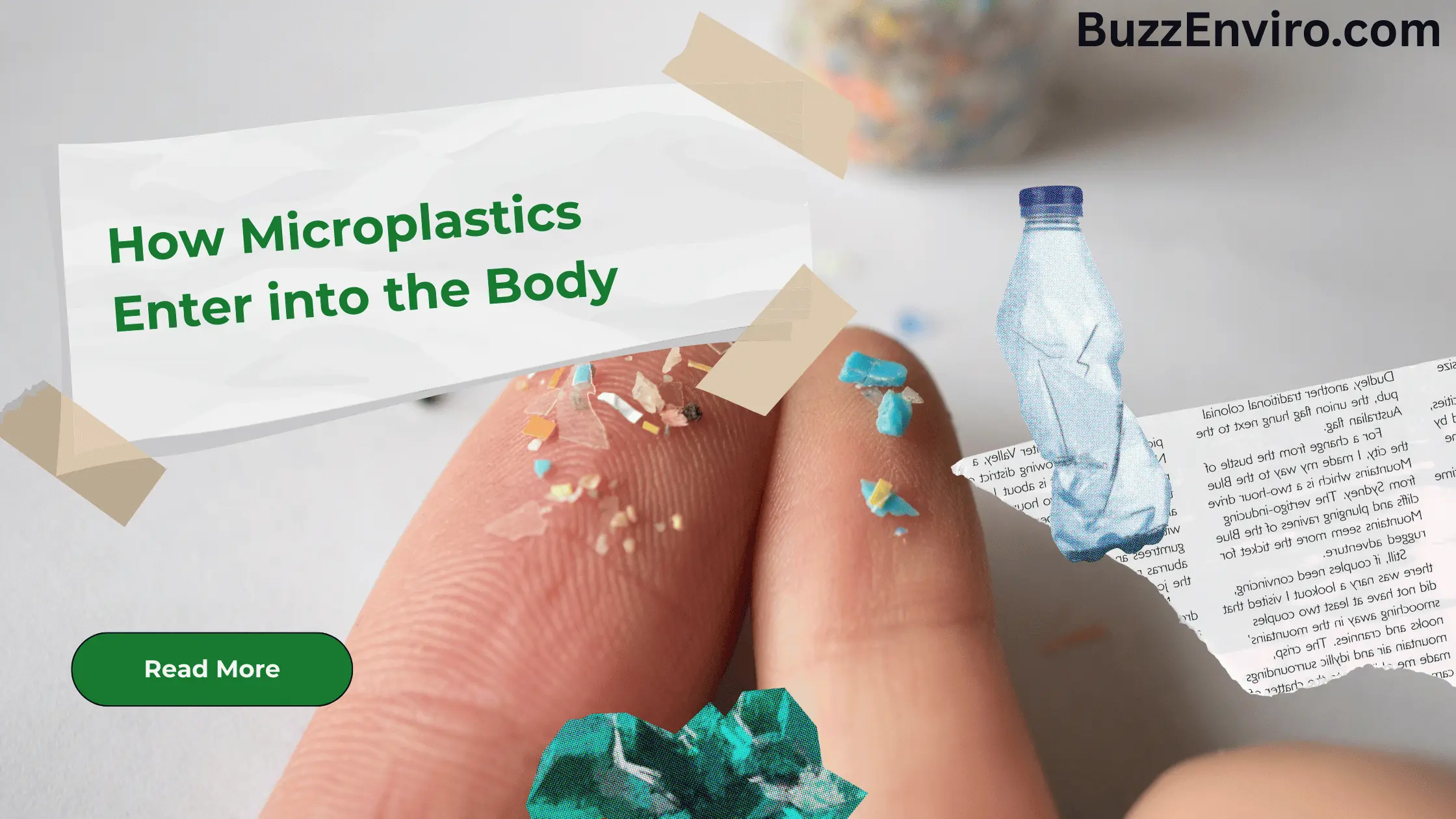
Microplastics and Human Health: How They Enter Our Body and Why They Are Dangerous
Microplastics are no longer just an environmental issue — they have become a human health concern. These tiny plastic particles have been found in drinking water, food, air, and even inside the human body. Scientists across the world are now warning that long-term exposure to microplastics may pose serious risks, especially to children and pregnant
-

US Exit From Major UN Climate Agreement Sparks Worldwide Alarm
Jan 9, 2026 | Global Climate News The US exit from a key UN climate treaty has triggered strong global criticism, with United Nations officials and climate experts warning that the move could undermine international climate cooperation and weaken America’s own economic and environmental security. The decision marks a major shift in US climate policy
-

Why Weather Is Becoming More Extreme Around the World?
Extreme weather events are no longer rare or unexpected. Across the world, communities are experiencing stronger heatwaves, heavier rainfall, destructive floods, powerful storms, and prolonged droughts. These events are becoming more frequent and intense, disrupting ecosystems, economies, and everyday life. Scientists agree that these extreme patterns are not isolated incidents. They are the result of
-
What Causes the Climate Crisis? 7 Human Activities Driving Global Warming in 2026
The climate crisis is no longer a distant or abstract problem—it is unfolding in real time across the world. In 2026, rising global temperatures, extreme heatwaves, destructive floods, intensifying storms, and prolonged droughts are becoming more frequent and severe. Scientists agree that these changes are not random. They are largely the result of human activities
-

Climate Change and Human Health: Why the Crisis Is Becoming a Global Emergency in 2026
Climate change and human health are now deeply interconnected. In 2026, rising global temperatures, worsening air pollution, extreme weather events, and food insecurity are no longer future threats—they are already affecting millions of people worldwide. Health experts warn that the climate crisis is accelerating public health risks and placing immense pressure on healthcare systems. According