Environment
-
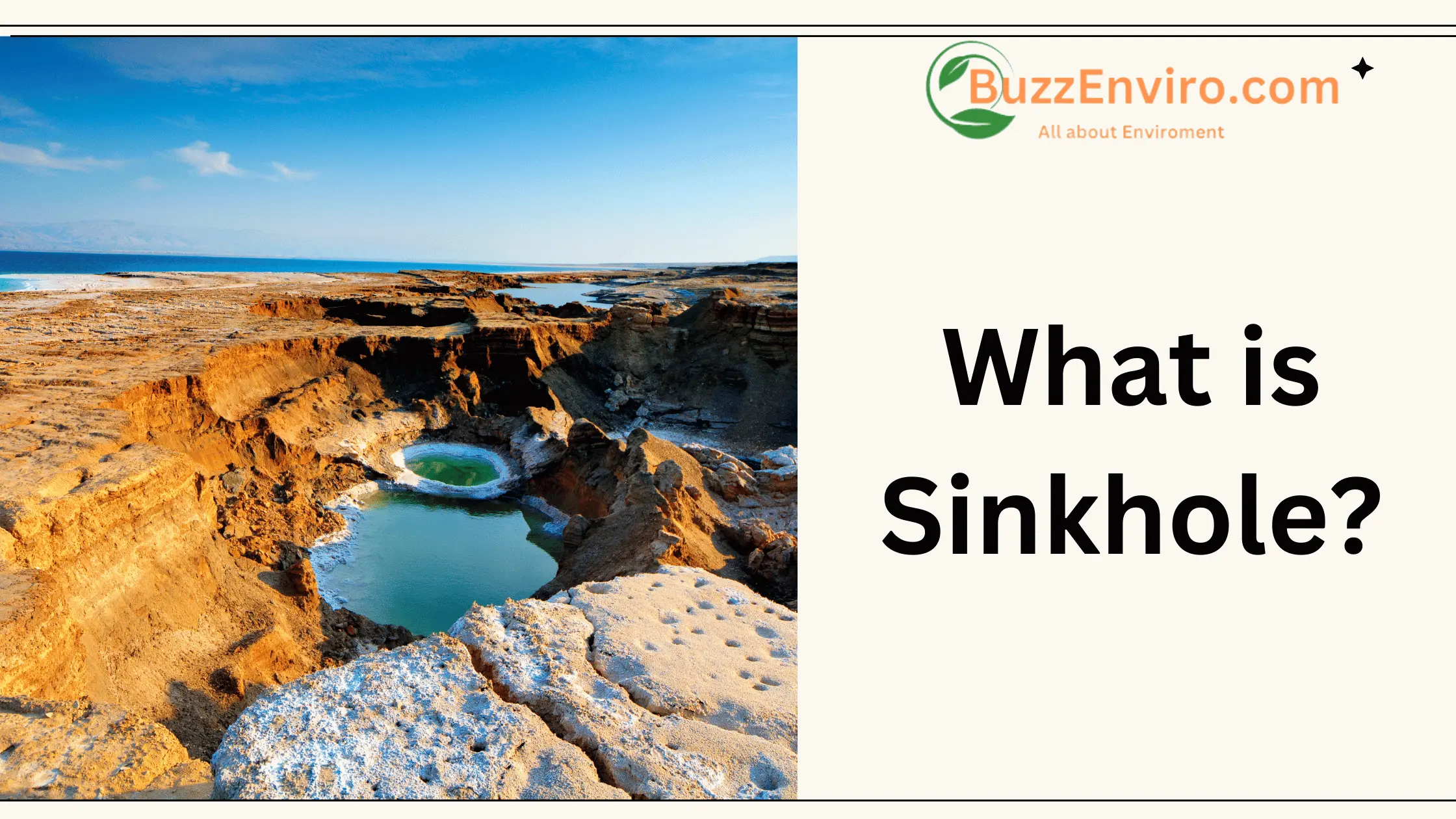
What is Sinkhole and How does it form?
Have you ever heard of Sinkhole? These natural phenomena might sound like something out of a fantasy novel, but they are very real and can have significant impacts on the environment and human infrastructure. In this blog, we’ll delve into what sinkholes are and how they form, uncovering the fascinating geological processes behind them. What…
-
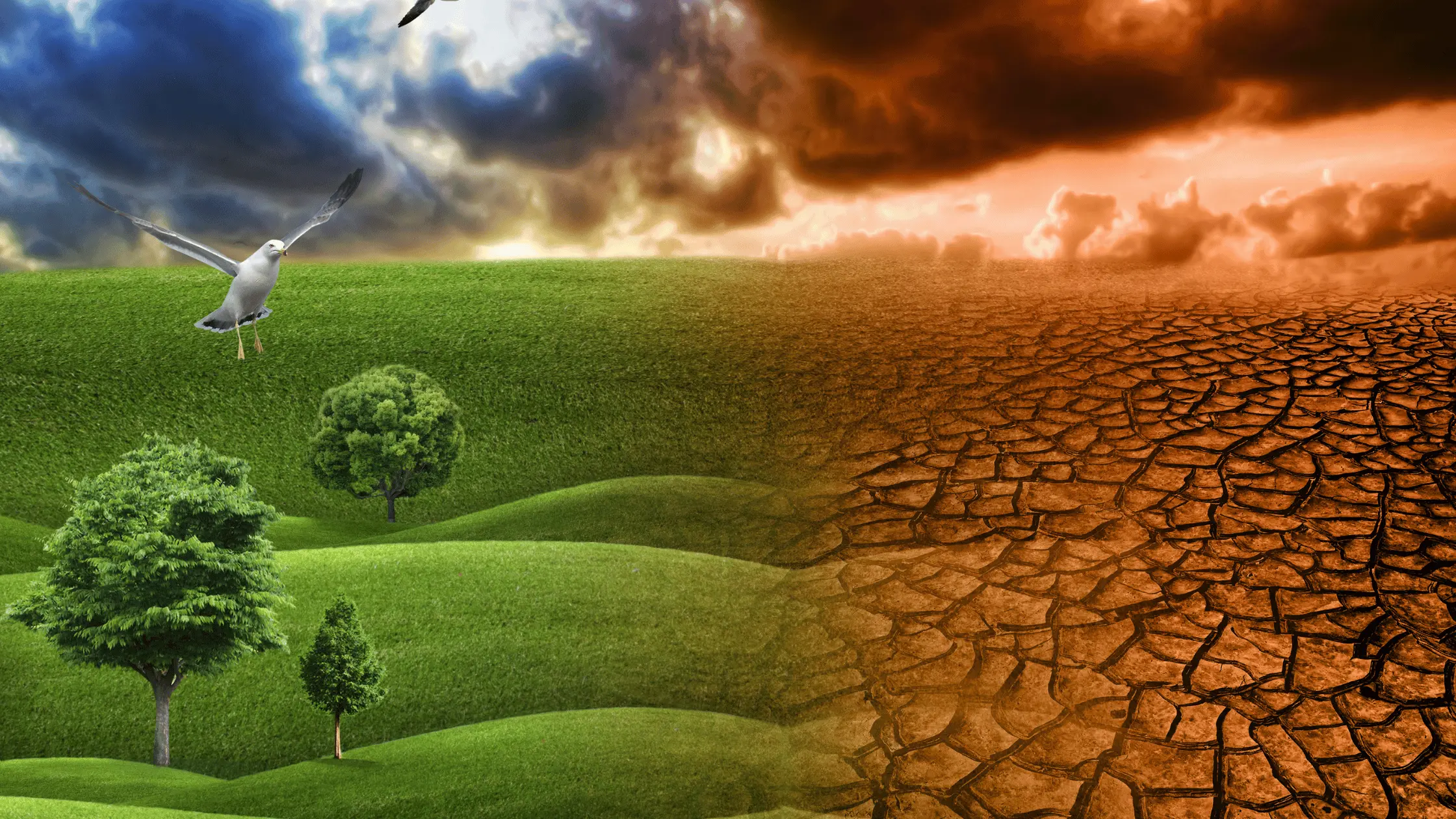
What is the difference between Global Warming and Climate Change?
Global Warming and climate change are two terms that are used interchangeably, but they refer to two distinct but they are same. In this blog, we will explore the differences between global warming and climate change, as well as the underlying causes of these environmental issues. What is Global Warming? Global warming refers to the…
-
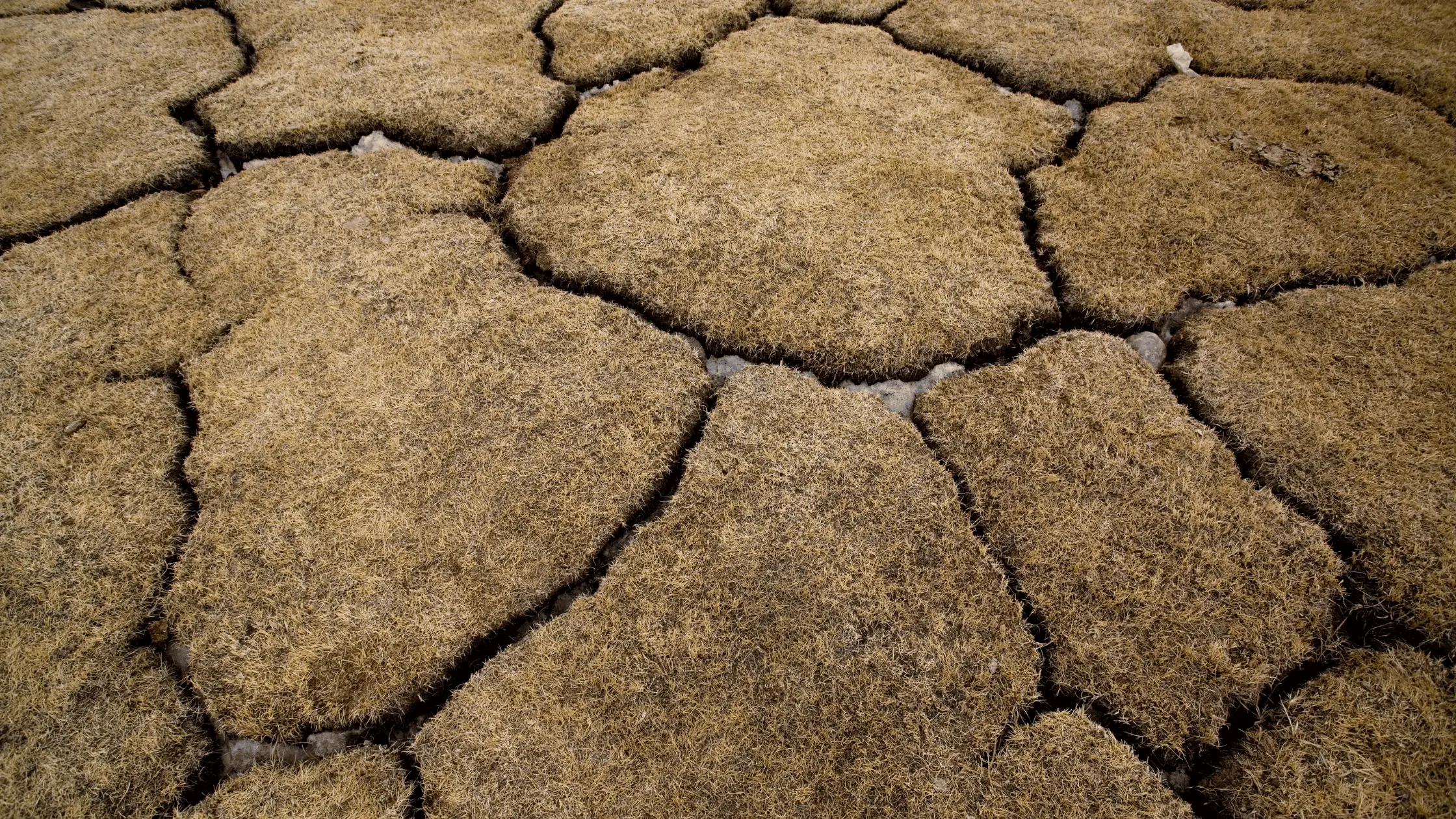
What is Permafrost, its Types and Examples
Permafrost is a type of frozen ground that remains frozen for a minimum of two consecutive years. It can be found on land, but can also be found beneath the ocean. Some types of permafrost have been frozen for centuries, while others have been frozen for thousands of years. What is the difference between permafrost…
-
What are Carbon Sinks and How they Impact Environment?
Carbon Sinks are natural or man-made reservoirs that absorb and store carbon dioxide from the atmosphere. They play a crucial role in mitigating climate change by reducing the number of greenhouse gases in the atmosphere. In this blog, we will explore what carbon sinks are and how they impact climate change. What Are Carbon Sinks?…
-
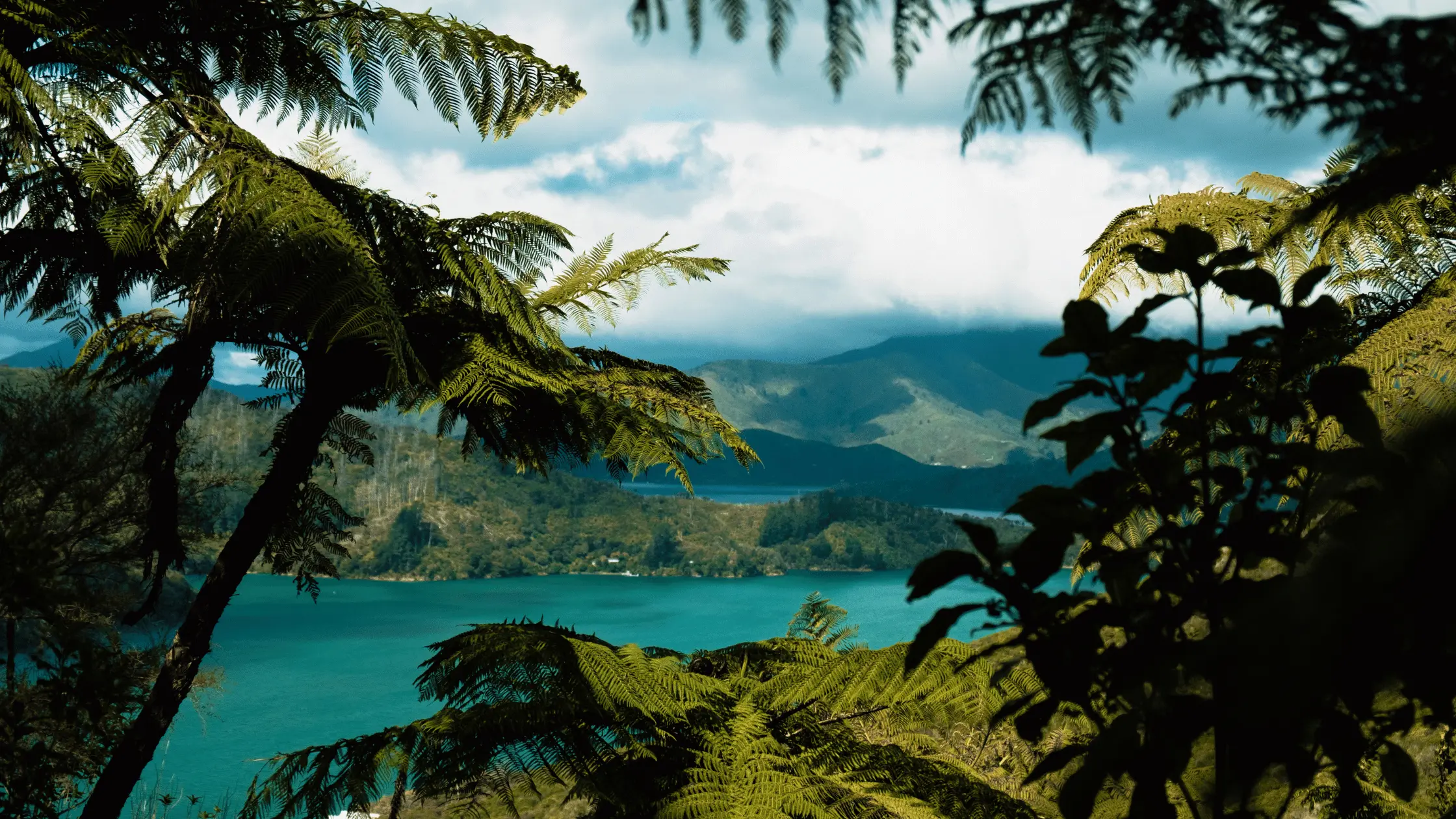
Tropical Rainforest is not the only Rainforest under Threat
When we hear the word “rainforest” we often think of the lush, tropical rainforest of South America, Africa, and Southeast Asia. These regions are known for their incredible biodiversity and are home to millions of species of plants and animals. However, many people don’t realize that rainforests can also be found in other parts of…
-
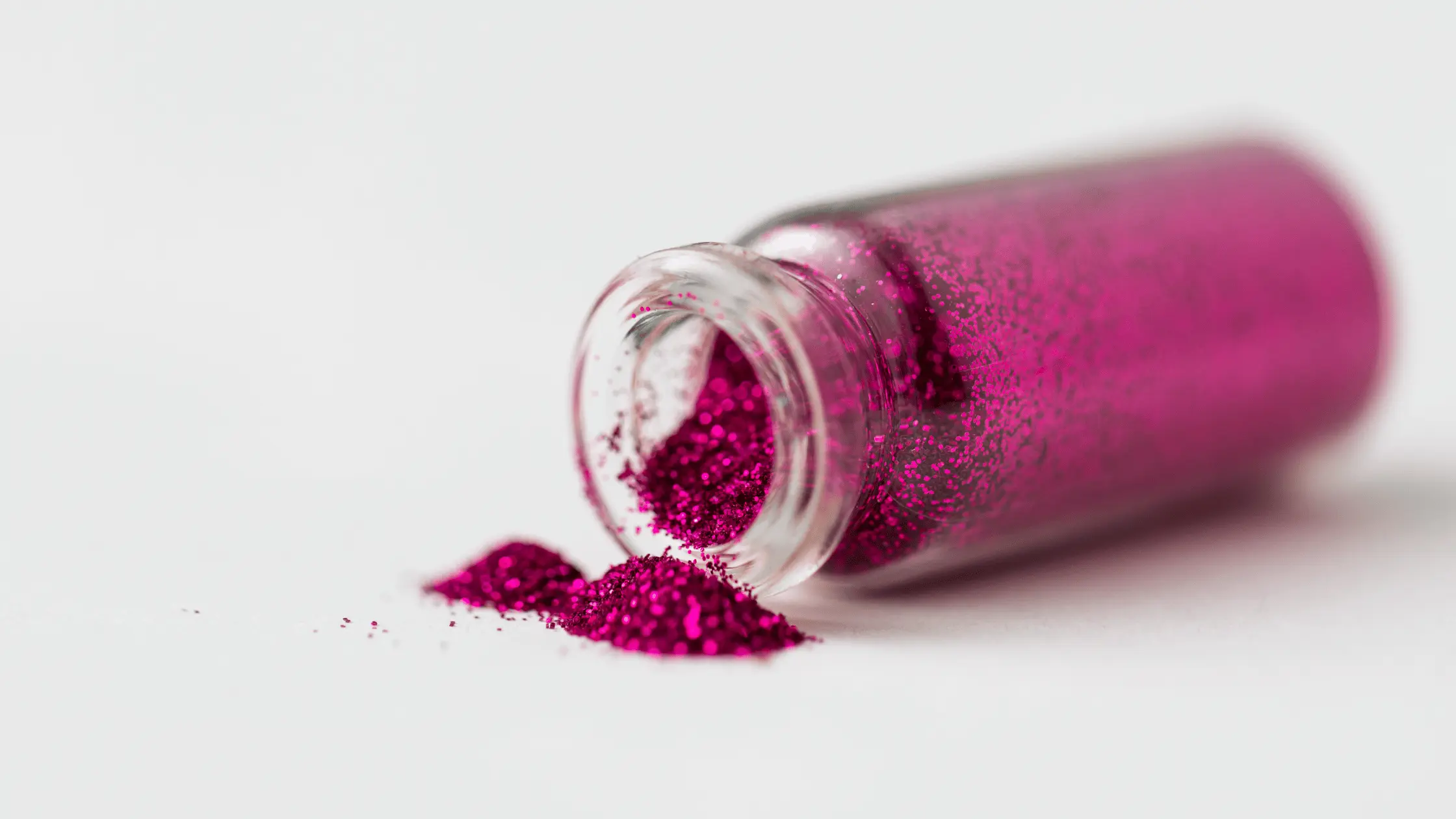
Glitter and its Environmental Impact
Glitter has long been a symbol of celebration, creativity, and festive cheer. From holiday decorations to cosmetic products, this tiny, shimmering material brings a sparkle to many aspects of our lives. However, beneath its dazzling surface lies an environmental concern that has slowly gained attention in recent years. While glitter may appear harmless, its production,…
-
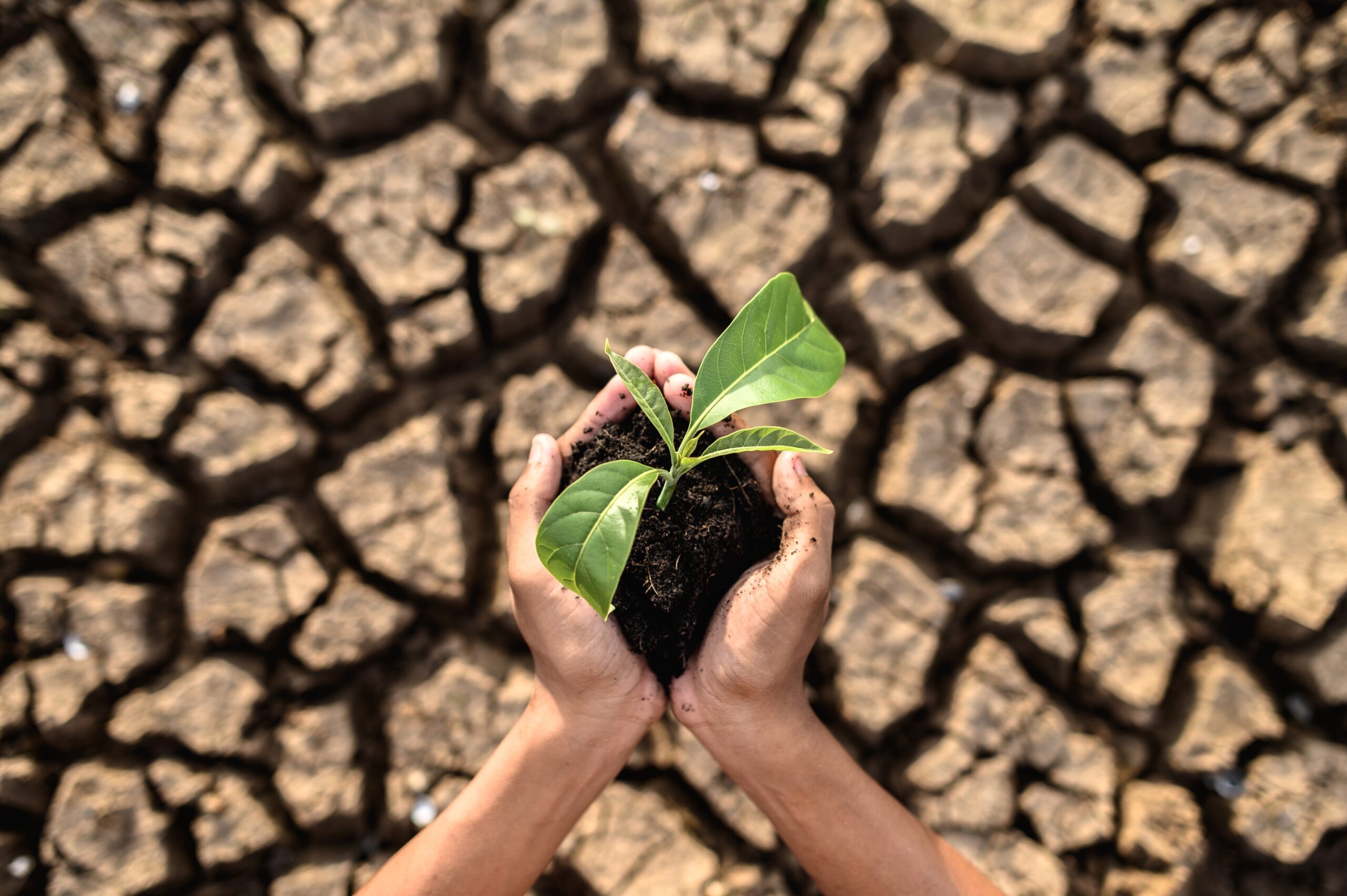
Soil Pollution and its Environmental Impacts and Mitigation
Soil Pollution is a serious environmental issue that arises from human activities such as industrialization, mining, agriculture, and urbanization. It occurs when harmful chemicals, pollutants, and contaminants are introduced into the soil, either directly or indirectly. This type of pollution can have severe environmental impacts and can affect the health and well-being of humans and…
-
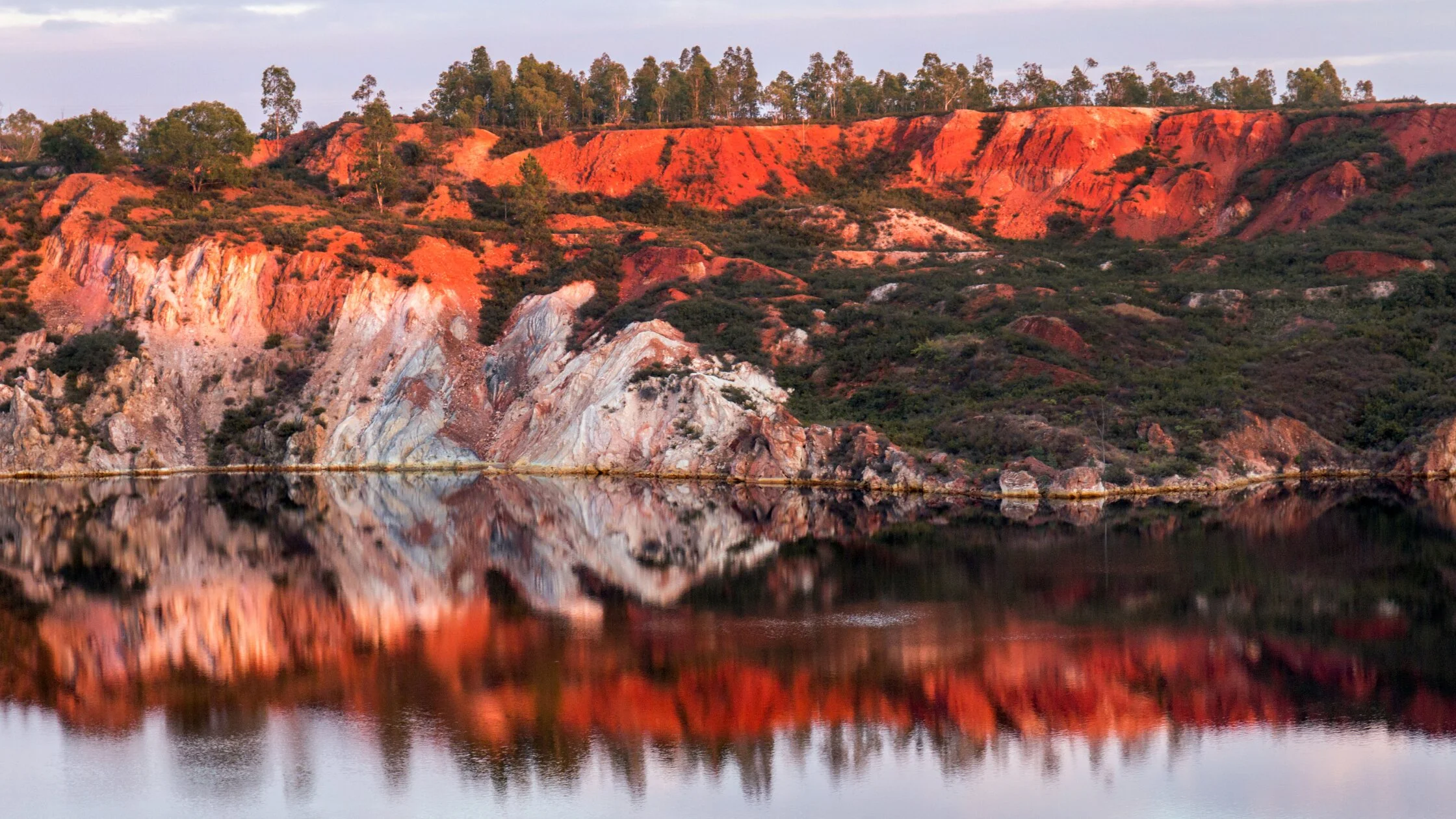
What is Acid Mine Drainage, its causes and Examples?
Acid mine drainage occurs when iron sulphides released by mining activity react with water and oxygen to form sulfuric acid. This acid is highly corrosive and can dissolve surrounding rocks, allowing toxic metals to seep in and out. While other problems are associated with abandoned mine drainage (e.g. alkaline drainage due to calcium and dolomite…
-
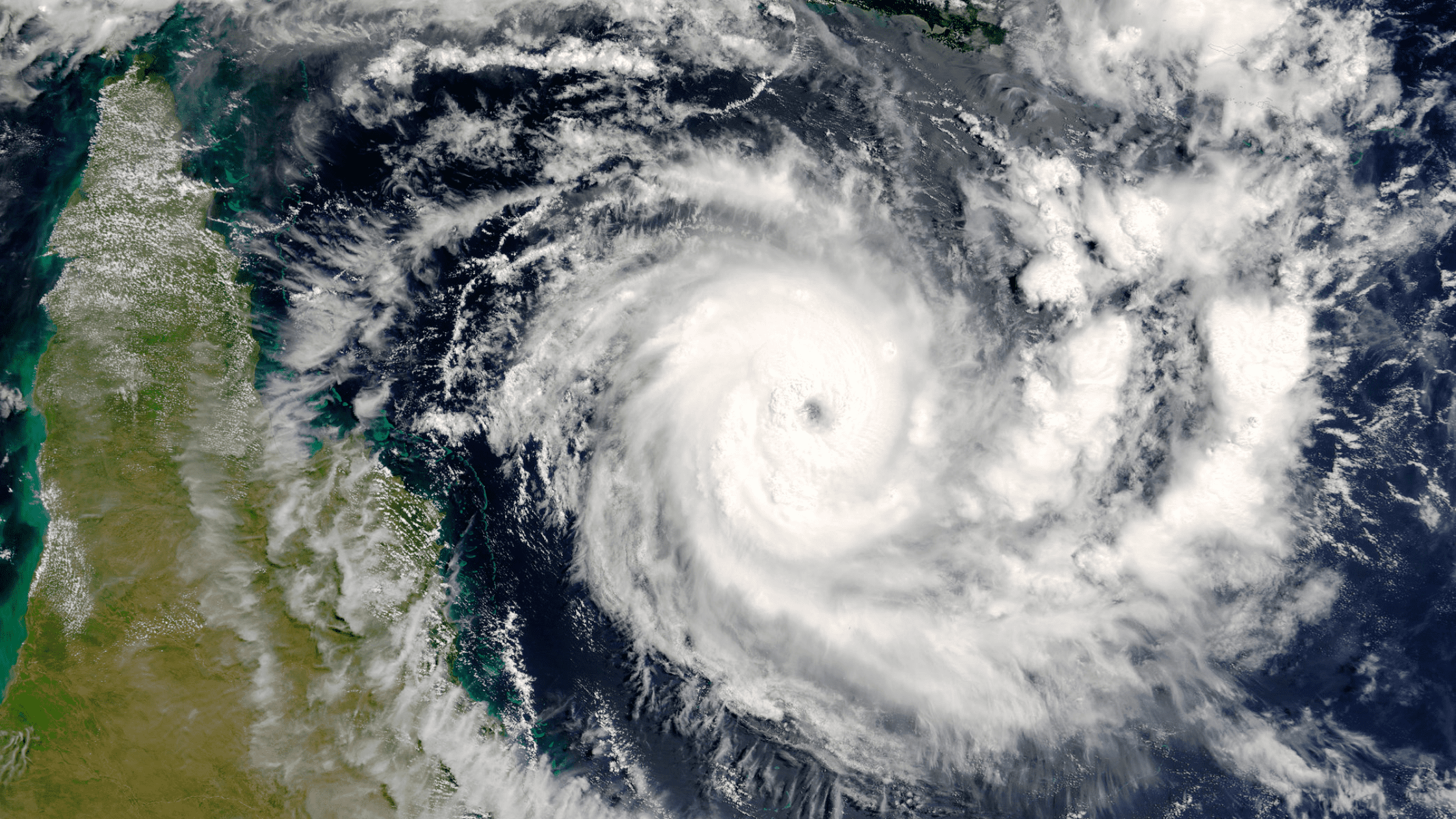
What are Extratropical Cyclones?
Nature displays its power and dynamism through various atmospheric phenomena, and one such remarkable display is the extratropical cyclone. These mammoth weather systems, often referred to as mid-latitude cyclones or simply “lows,” play a significant role in shaping weather patterns across the globe. Understanding the mechanics of extratropical cyclones unveils a fascinating interplay of atmospheric…
-
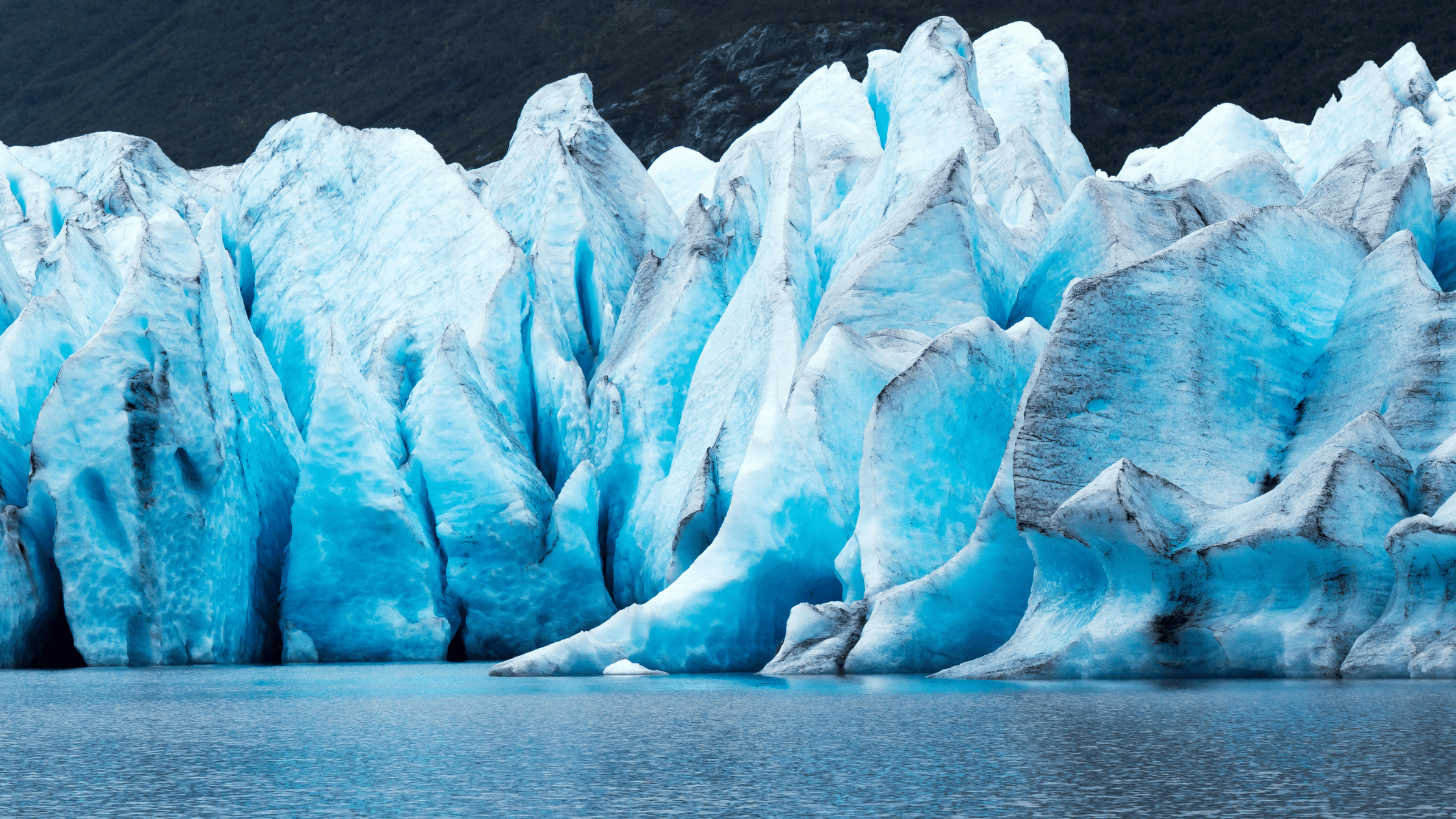
What are the 10 Types of Glaciers
Glaciers are sheets of ice moving across dry land. Because they are made of solid ice, they move like liquid as gravity pushes them downhill. Glaciers can be found in polar regions as large ice sheets, ice caps, or ice fields. They can also be found in mountain regions on the other side of the…
-
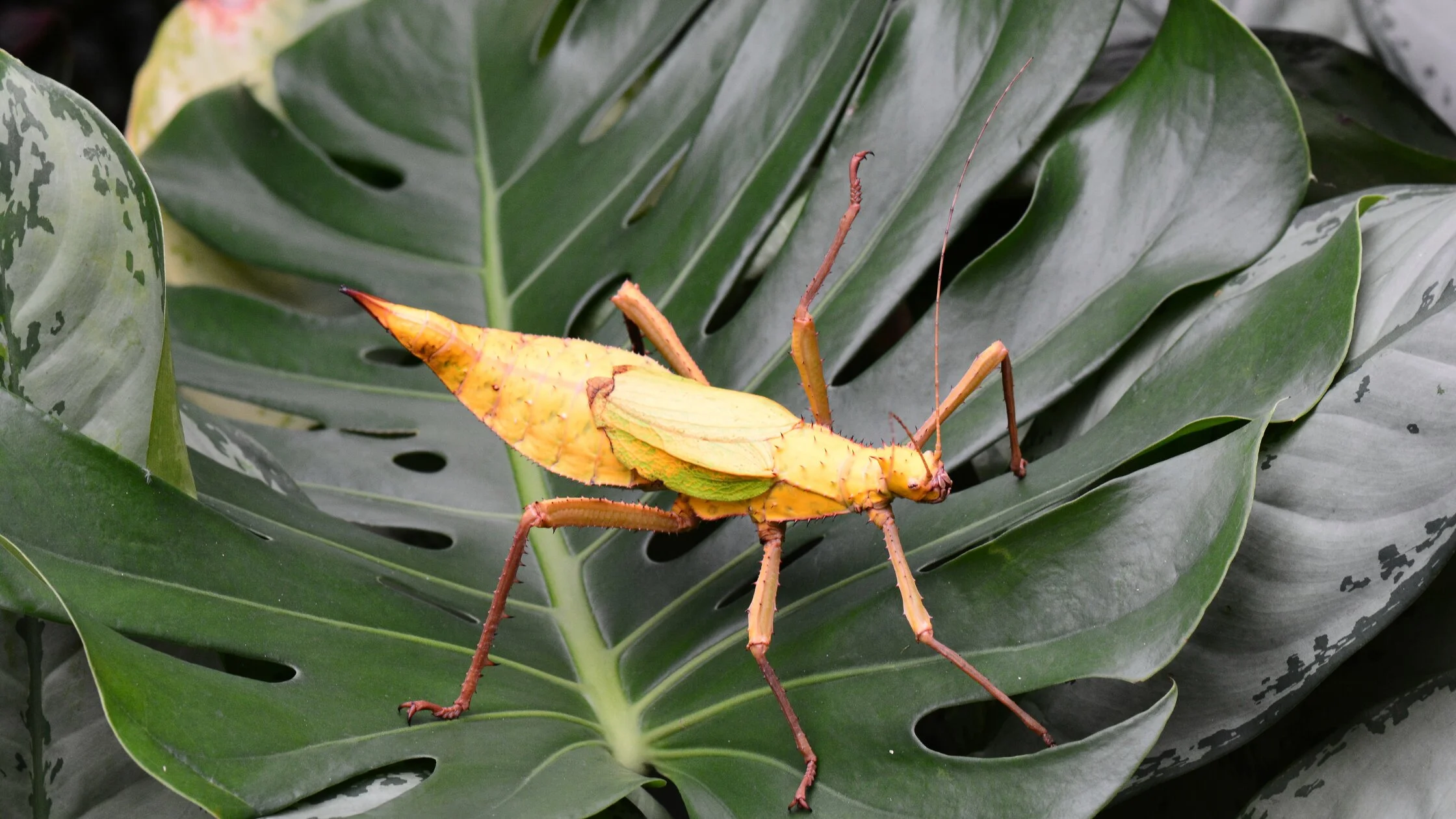
Top 7 largest Insects in the World
Insects are a wide variety of insects that come in many shapes and sizes. They range from the tiniest ant to the biggest cockroach. Insects make up more than 50% of all living things on earth. Insects pollinate plants, make food and honey. Insects are used in medicine. But which one is the largest, and…
-
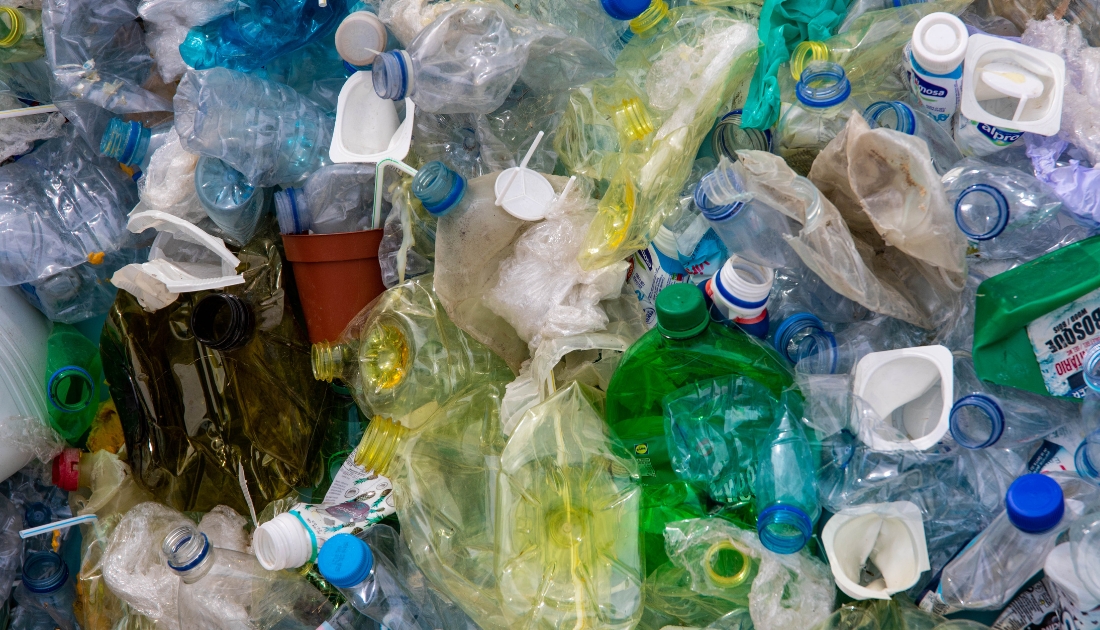
Global Study Finds Coca-Cola is largest known contributor of branded plastic waste
According to a new report on the global plastic pollution crisis, 56 companies account for more than 50% of branded plastic waste. Four brands account for more than 20% of all branded pollution: the Coca-Cola Company accounts for 11%, PepsiCo accounts for 5%, Nestlé accounts for 3% and Danone accounts for 2%. A five-year audit…