Environment
-
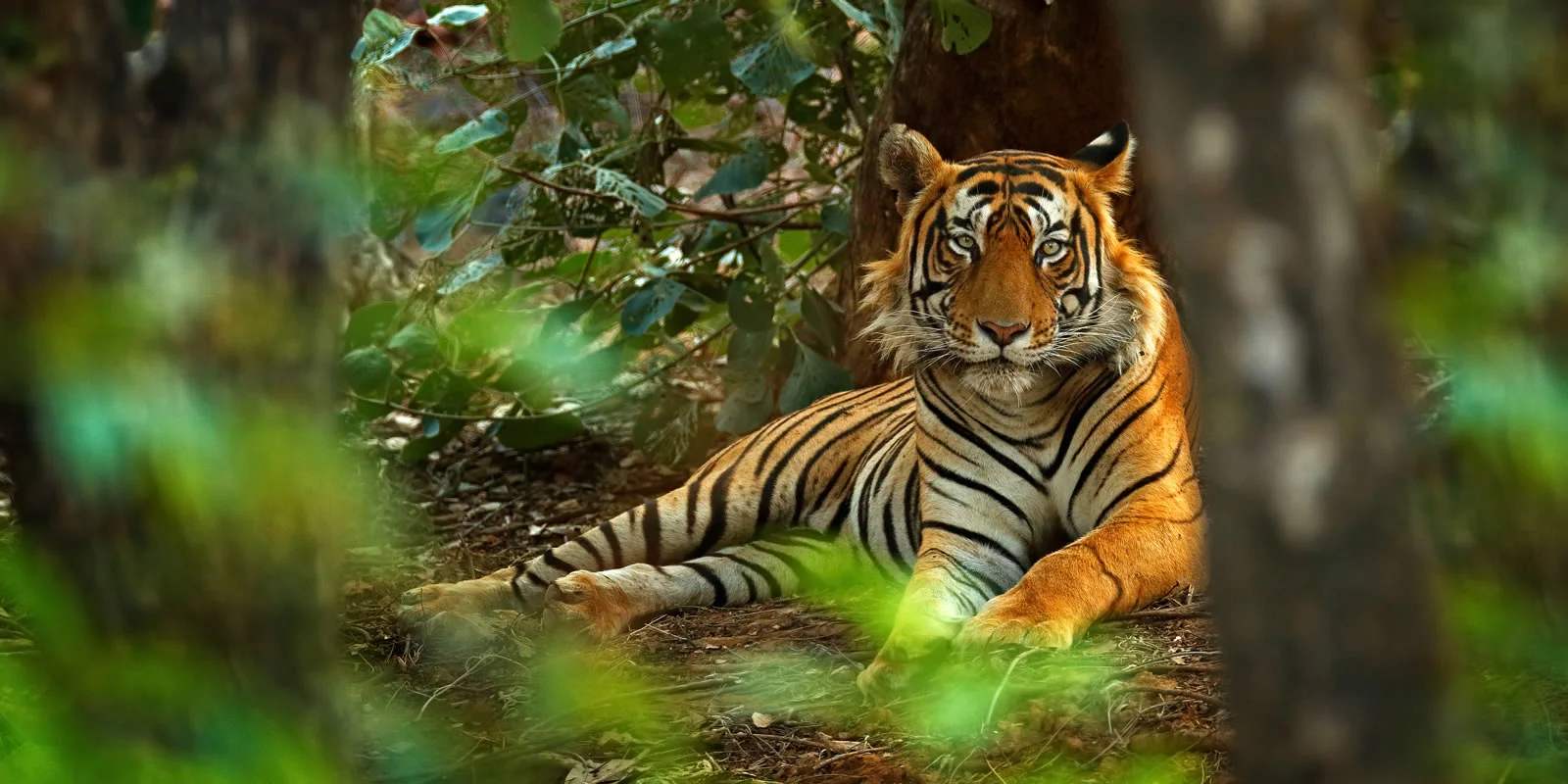
25 out of 75 tigers in Ranthambore National Park have gone missing over the past year
This marks the first time in a year that such a high number of tigers has been missing from Ranthambore officially reported In the past year, 25 of the total 75 tigers within Ranthambore National Park (RNP) have missing Rajasthan’s top wildlife official, Pavan Kumar Upadhyay, informed the park’s staff on Monday (November 5, 2024).
-

Himachal Pradesh’s Chief Minister Pushes for Eco-Friendly Hydrogen Trains on Kalka-Shimla Route
The Chief Minister of Himachal Pradesh, Sukhvinder Singh Sukhu, on Monday called upon the Ministry of Railways to investigate the feasibility of operating trains on the Kalka-Shimla railway, which is recognized as a UNESCO World Heritage site, using green hydrogen. In a declaration made in this location, Sukhu mentioned that he has penned a letter
-
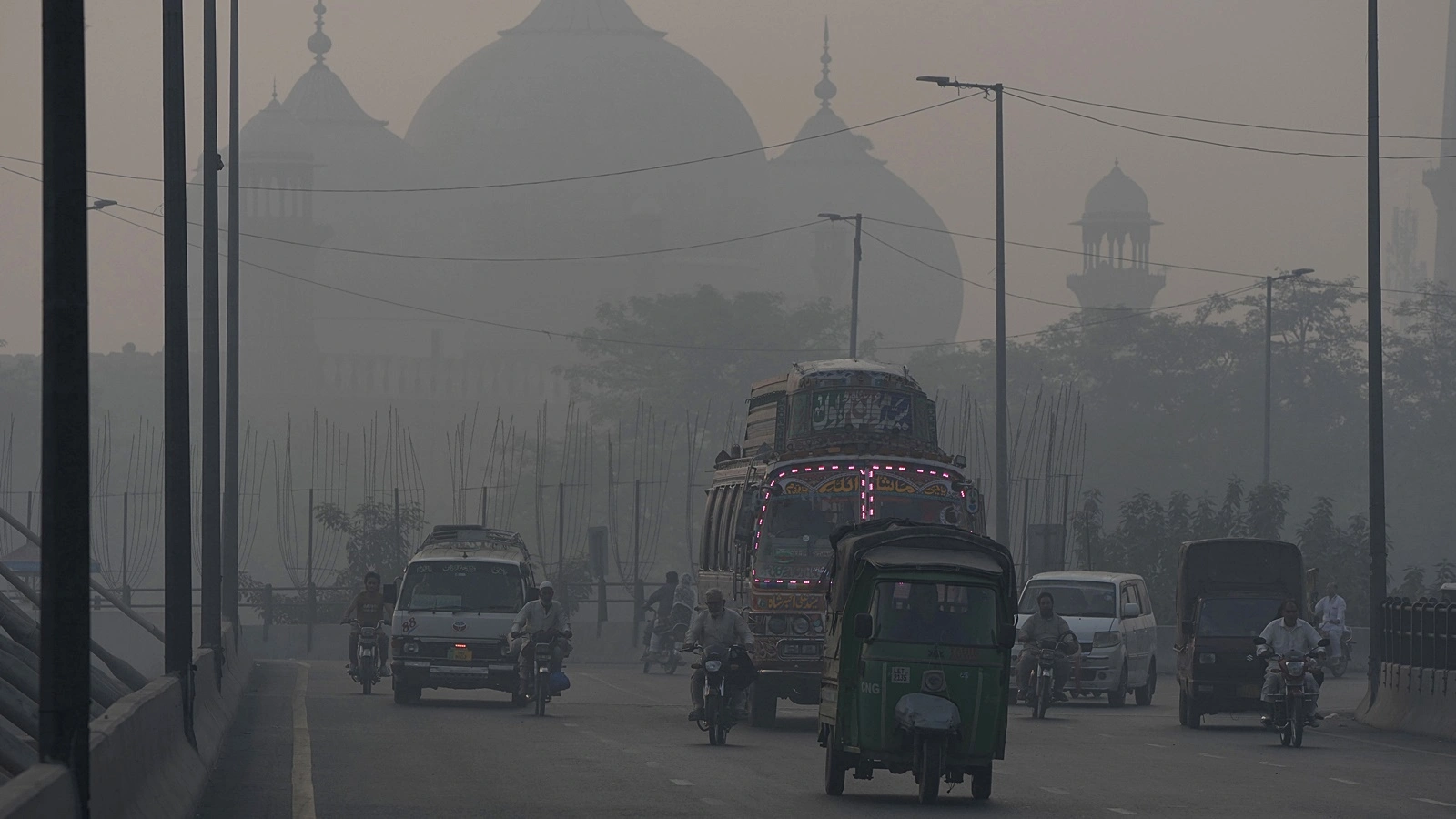
Pakistan Blames India as Lahore AQI hits 1900
In response to the deteriorating air quality in Lahore, Pakistan’s senior minister Marriyum Aurangzeb addressed the issue during a press conference Sunday, stating, “the wind from India towards Lahore is exacerbating the smog levels to dangerous levels.” Pakistan’s Punjab Minister Aurangzeb, who is responsible for the environment portfolio in the Cabinet, announced that they will
-

ACME Solar Holdings IPO: 10 things to know before subscribing to the issue
ACME Solar Holdings Limited’s debut on the stock market is scheduled to begin accepting public investments on Wednesday, November 6, and conclude on Friday, November 8. The green energy company has established a price range for its initial public offering (IPO) between ₹275 and ₹289 per share, each share being valued at ₹2. The green
-
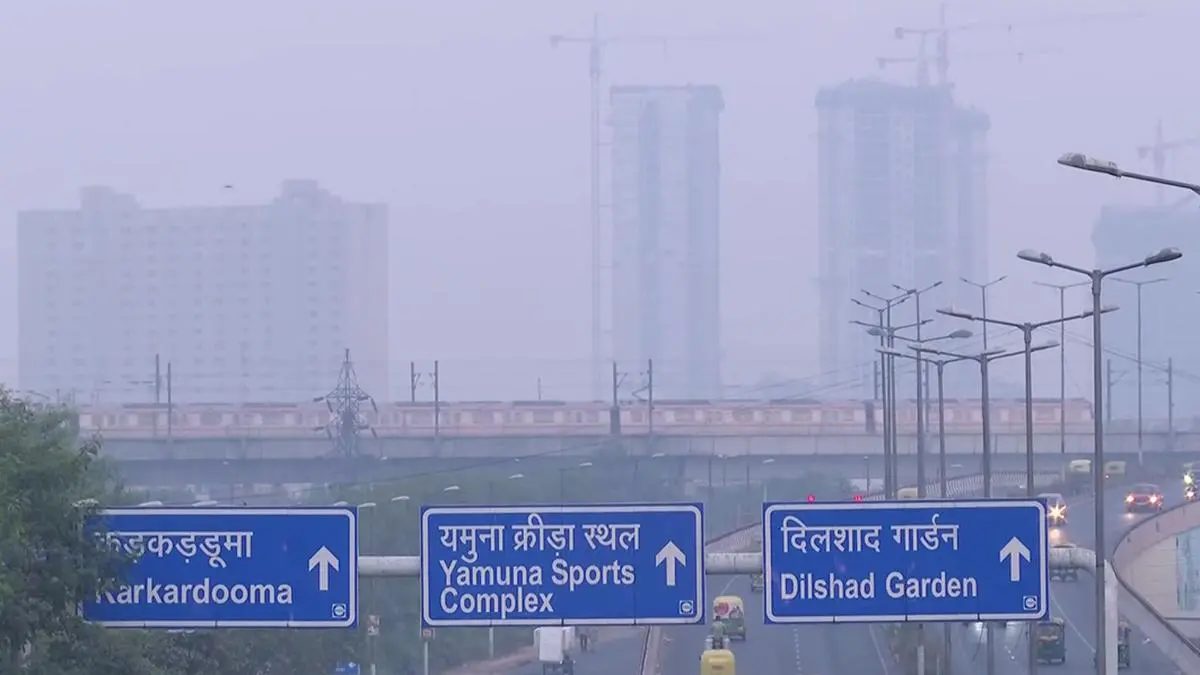
Delhi AQI Remains very Poor as Anand Vihar PM2.5 value crosses 400
As the winter season neared, a light haze of smog blanketed the national capital, with the Air quality index in Delhi still classified as “very poor.” The Delhi air pollution become severe as Diwali vacations ends. On Monday, November 4, 2024, the Delhi AQI exceeded 300 in numerous regions of the national capital, as reported
-

10 Important Facts About the Mississippi River
The Mississippi River is renowned for its significant contribution to the industrial growth of the United States. It serves as a crucial provider of hydroelectric power, offers clean drinking water to countless individuals, and sustains a variety of fish species that are both ecologically and economically valuable. Its place in American culture has turned it
-

What is the Difference Between Mineral and Ore?
Minerals and ores are fundamental to various industries, especially in mining, metallurgy, and geology. While these two terms are often used interchangeably, they refer to different concepts. Understanding the difference between mineral and ore is crucial, particularly in fields like resource extraction and environmental management. In this blog, we learn about the Difference between minerals
-
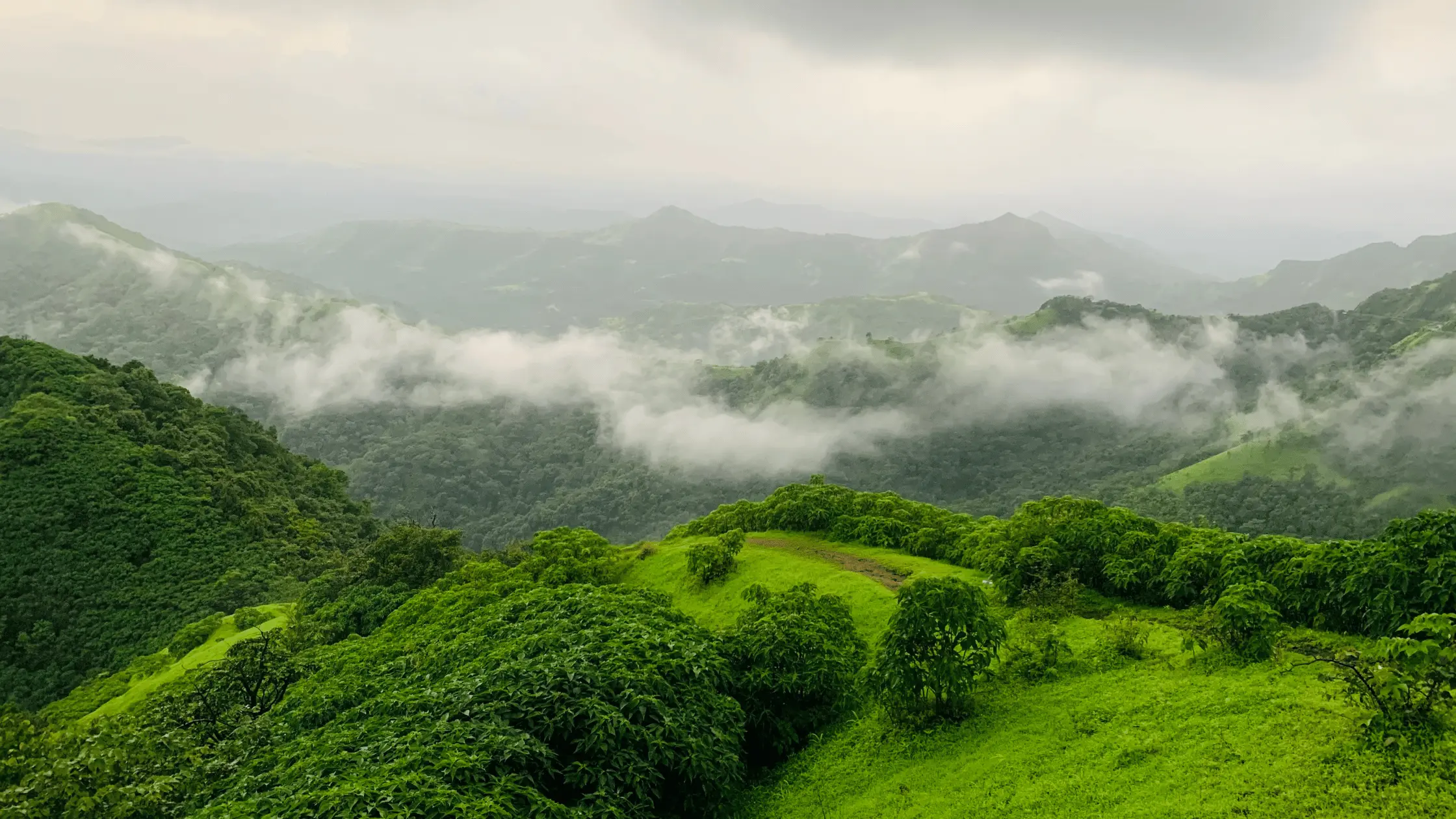
Biodiversity Hotspots in India
India is home to some of the most diverse ecosystems in the world, with several regions recognized as biodiversity hotspots. The Biodiversity hotspots in India are areas rich in endemic species, which are under threat due to human activities. Understanding biodiversity hotspots is crucial to preserving the rich flora and fauna that thrive in these
-
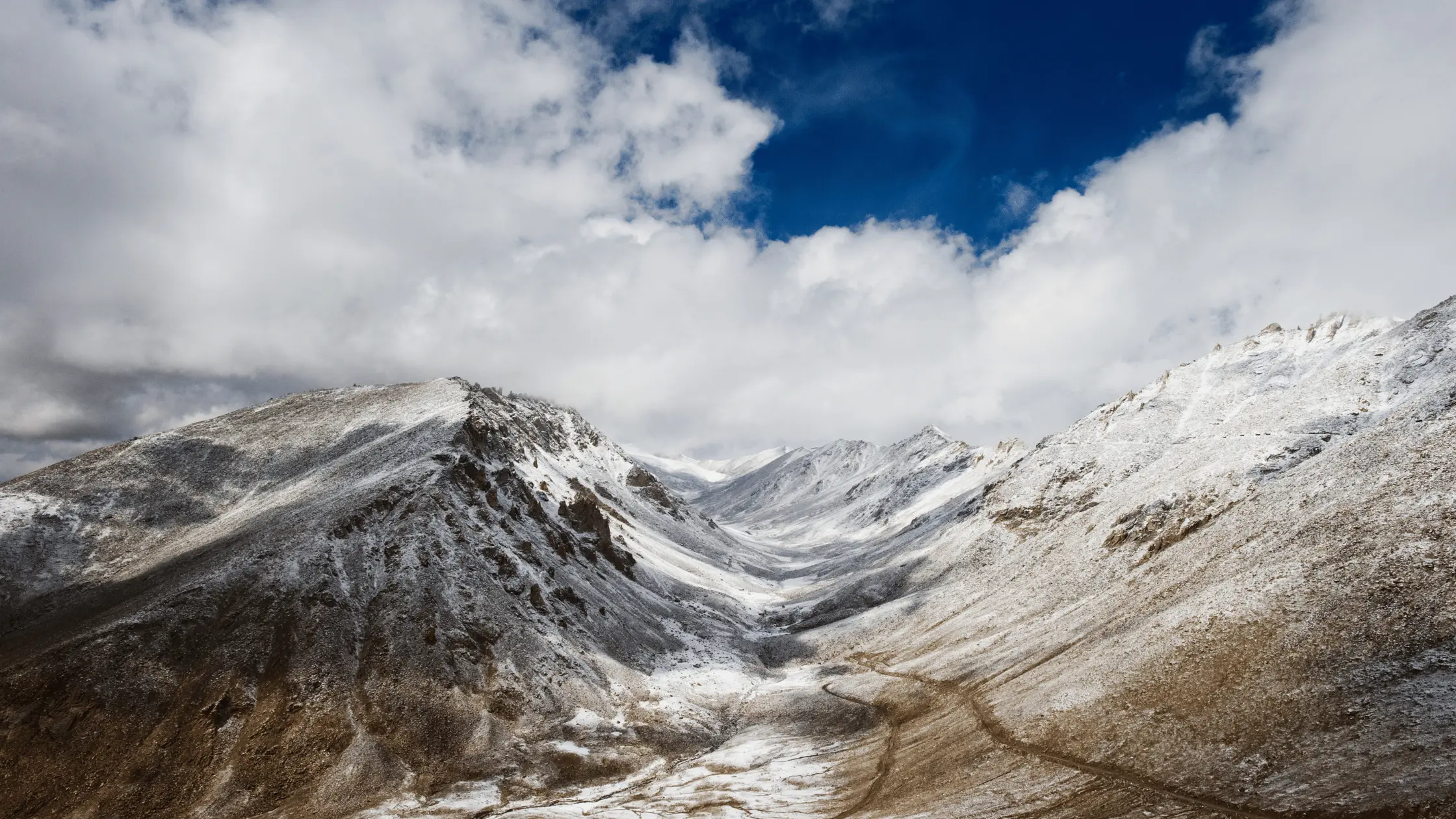
The Tallest Mountains in the World
Mountains have fascinated humanity for millennia. They inspire awe with their sheer heights, serve as the subject of spiritual reverence, and attract adventurers and climbers from all corners of the globe. Standing tall above the earth, these towering giants offer some of the most breathtaking and extreme environments on the planet. In this blog, we
-
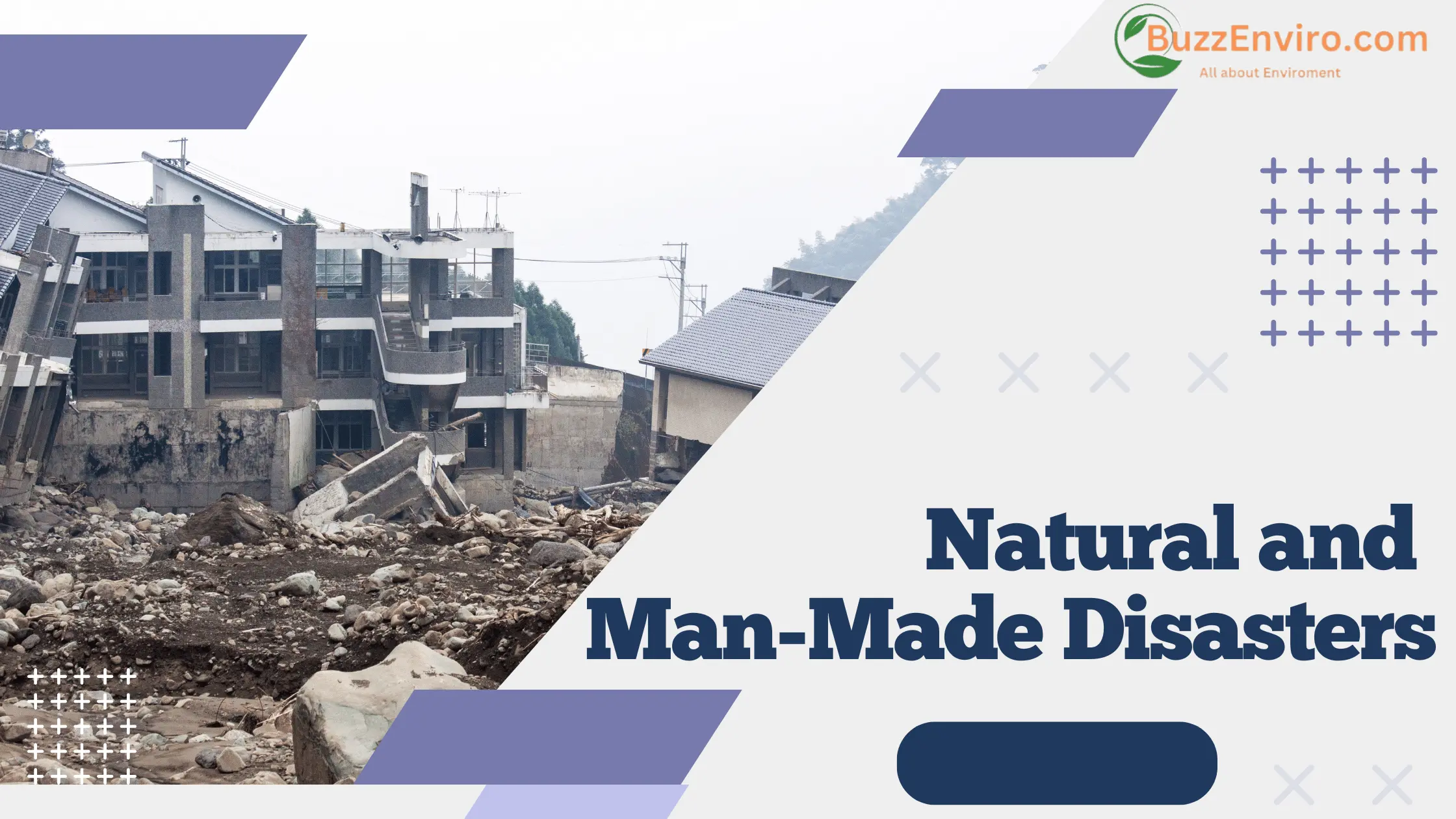
What is the Difference Between Natural and Man-Made Disasters?
Disasters have always impacted human life and the environment in significant ways. Broadly, disasters can be classified into two categories: Natural and Man-Made disasters. Understanding the difference between them helps in better preparedness and response strategies. In this blog, we will explore the key distinctions between Natural and Man-Made disasters while focusing on their causes,
-
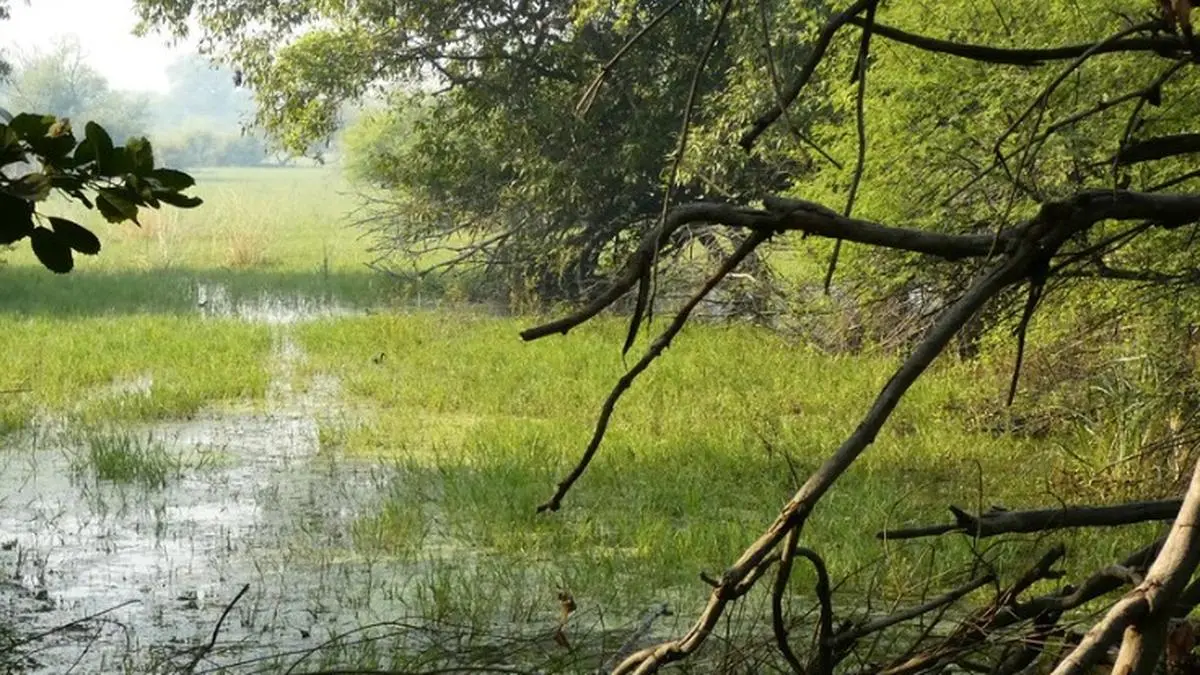
India’s First Teal Carbon Study: A Wetland-Based Approach to Climate Resilience
New Delhi, India – India has taken a significant step towards addressing climate change with the launch of its first-ever teal carbon study. This groundbreaking initiative, conducted at Keoladeo National Park in Rajasthan, aims to quantify the carbon storage potential of freshwater wetlands and explore their role in climate adaptation and resilience. Teal carbon refers
-
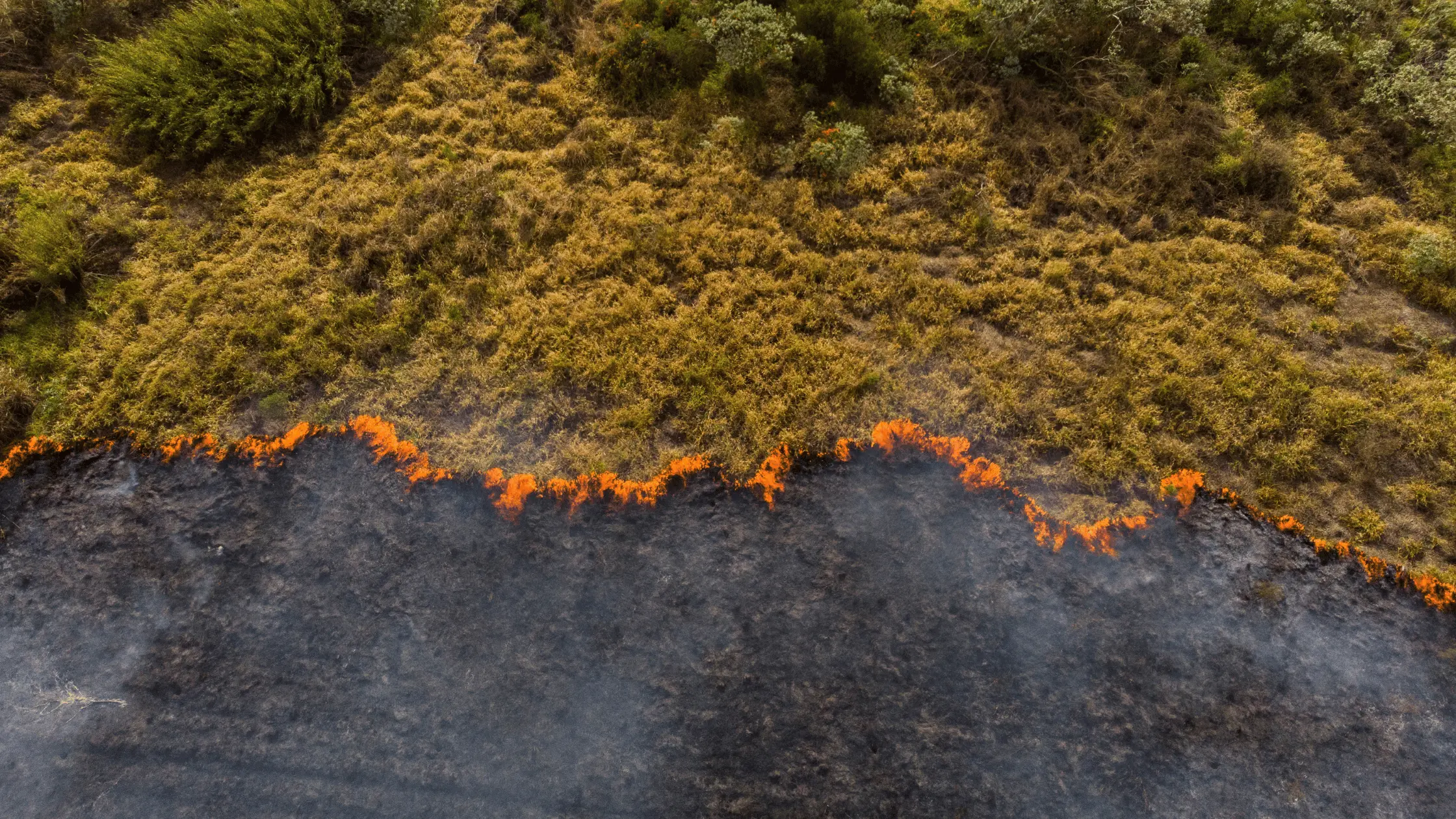
Climate Extremes could cost 5% of GDP of African Countries
Climate change is disproportionately impacting African countries, with extreme weather events posing a significant threat to their economic stability. According to the State of the Climate in Africa report, these events could cost African nations up to 5% of their GDP and create climate related hazards such as droughts, floods and cyclones which will lead