
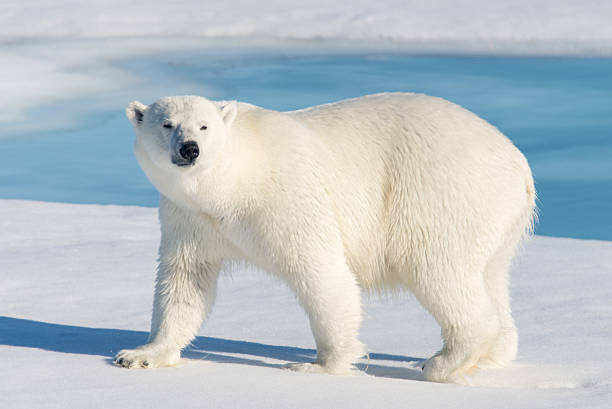
December 17, 2025 — A landmark scientific study has revealed that climate change is altering the DNA of polar bears, marking the first time researchers have found a direct link between rising temperatures and genetic changes in a wild mammal species. Scientists warn that while this genetic shift could provide clues about survival strategies, it does not reduce the urgent threat that global warming poses to the species.
Genetic Changes Tied to Rising Arctic Temperatures
Researchers from the University of East Anglia (UEA) analyzed blood samples from polar bears in southeastern and northeastern Greenland, regions with dramatically different temperatures. They found that bears in the warmer southeast exhibited increased activity in specific segments of their DNA known as “jumping genes” or transposons — mobile elements that can move within the genome and influence how other genes function.
Dr. Alice Godden, lead author of the study published in the journal Mobile DNA, explained that these genetic elements were far more active in bears living in warmer, less icy environments, and appear to be linked to traits such as heat stress response, metabolism, and aging.
What Are “Jumping Genes”?
“Jumping genes,” also called transposable elements, are pieces of DNA that can change positions within the genome. When they move, they can activate or change the expression of other genes. According to researchers, these elements appear to be triggered by environmental stress, such as higher temperatures and shrinking sea ice, potentially helping affected bears to adapt.
Why This Matters: Diet, Habitat, and Adaptation
Polar bears typically hunt seals from sea ice — a platform that is rapidly disappearing due to climate change. As sea ice melts, some bears have shifted to less fatty, more plant‑based diets and adjusted their behavior and physiology accordingly. Genetic hotspots identified in the study are linked to fat processing, metabolism, and stress tolerance, suggesting a potential biological response to these new conditions.
Scientists believe these changes reflect rapid adaptation driven by environmental change. However, the evidence so far comes from a limited number of bears — including 12 from the colder northeast and five from the warmer southeast of Greenland — and more research will be needed to see whether similar changes are happening across other polar bear populations.
Hope, But Not a Solution
While the genetic shifts offer a glimmer of hope for understanding how polar bears might respond to a warmer Arctic, researchers and conservationists caution that these adaptations are not enough to ensure the species’ long‑term survival.
Polar bears are already listed as endangered by the U.S. Fish and Wildlife Service, with the global population estimated at around 26,000 individuals — a number under significant threat from habitat loss due to melting sea ice.
Scientists warn that at current rates of warming, more than two‑thirds of polar bears could disappear by 2050, and total extinction is possible later this century unless global carbon emissions are dramatically reduced.
Dr. Godden emphasized that while genetic changes provide insight into possible resilience mechanisms, they do not mean polar bears are safe. “We still need to do everything we can to reduce global carbon emissions and slow temperature increases,” she said.
Implications for Conservation
The discovery of climate‑linked DNA changes in polar bears highlights the complex challenges facing Arctic wildlife. It underscores that climate change isn’t only altering habitats — it’s influencing the very biology of species fighting to survive. Conservation strategies may incorporate these new genetic insights to identify which populations are most at risk and which might be better equipped to endure future warming.
However, scientists stress that genetic adaptation is not a substitute for meaningful climate action. Without rapid cuts to global greenhouse gas emissions, polar bears and many other Arctic species face increasingly severe conditions that genetic shifts alone cannot overcome