Skip to content

BuzzEnviro.com

All about Environment

  • Home
  • Environment
    • Climate Crisis
    • Planet Earth
    • Pollution
    • Recycling & waste
  • Home & Garden
    • Gardening
    • Green Living
  • Wild Life
    • Wildlife
    • Endangered species
    • Animal Rights
  • About Us
  • Contact Us
  • Privacy Policy
  • Toggle search form
climate change cost africa by 5 %

Climate Extremes could cost 5% of GDP of African Countries

Posted on September 5, 2024September 5, 2024 By Buzz Enviro

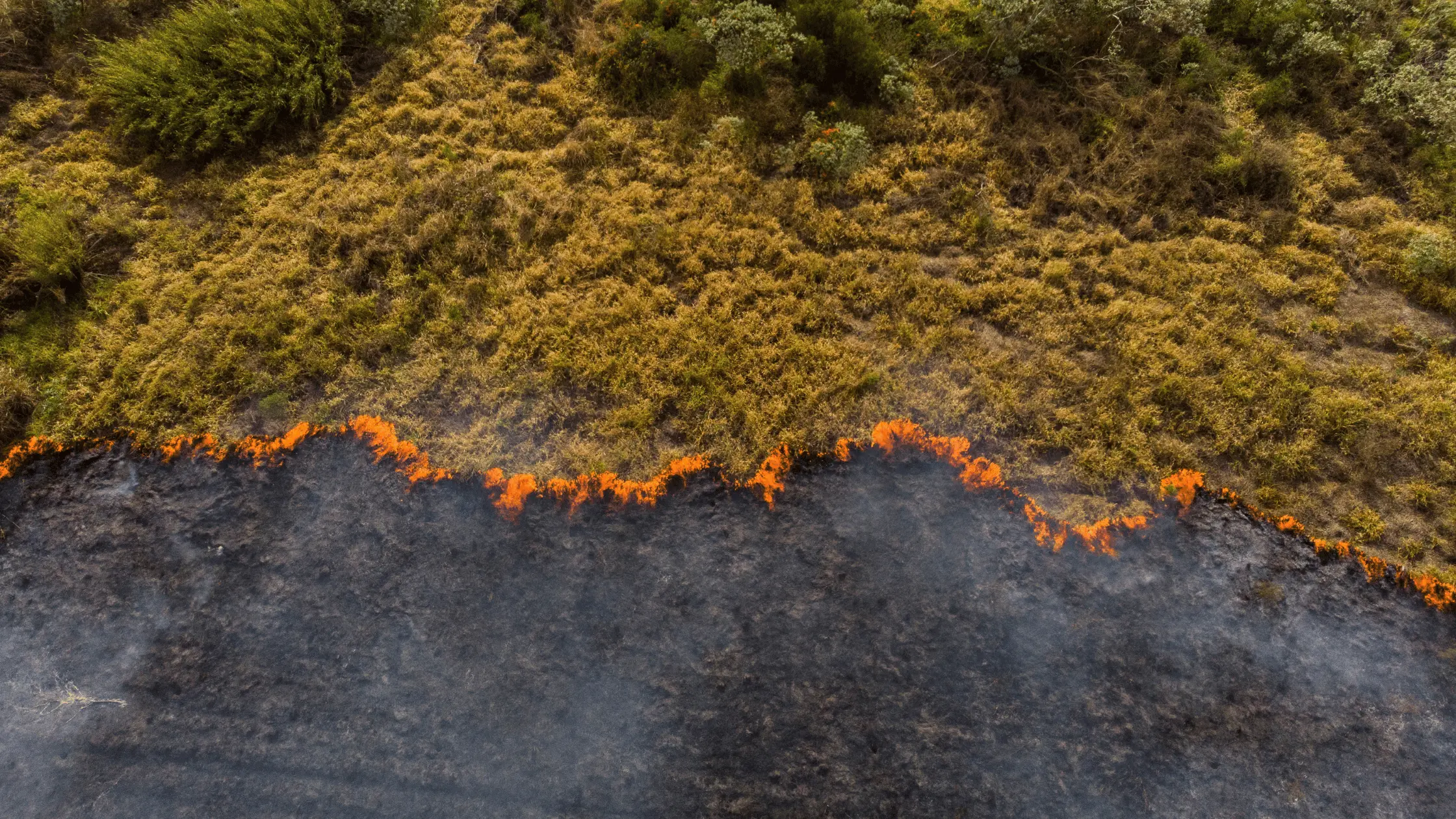
Climate change is disproportionately impacting African countries, with extreme weather events posing a significant threat to their economic stability. According to the State of the Climate in Africa report, these events could cost African nations up to 5% of their GDP and create climate related hazards such as droughts, floods and cyclones which will lead to fuel food insecurity, water scarcity, and displacement.

Agriculture, a cornerstone of many African economies, is particularly vulnerable to climate extremes. Droughts, floods, and heatwaves can devastate crops, reduce yields, and lead to food insecurity. This not only impacts farmers’ livelihoods but also has broader economic consequences, as food shortages can drive up prices and contribute to malnutrition.

Infrastructure, essential for economic growth and development, is also at risk. Extreme weather events can damage roads, bridges, and other infrastructure, disrupting trade, hindering access to essential services, and increasing reconstruction costs. This can divert resources away from other critical development priorities.

Climate change also has significant health implications. Rising temperatures can exacerbate heat-related illnesses, while changes in precipitation patterns can increase the risk of waterborne diseases. These health challenges can strain healthcare systems, reduce productivity, and increase healthcare costs.

The economic impacts of climate extremes are particularly severe for African countries, which often have limited resources to adapt and mitigate these risks. Addressing climate change requires a multifaceted approach, including investments in climate-resilient infrastructure, sustainable agriculture practices, and early warning systems. International cooperation and financial assistance are also crucial to help African countries cope with the challenges posed by climate change.

Climate Crisis

Post navigation

Previous Post: Japan Eradicates Invasive Mongooses from Subtropical Island
Next Post: Top National Park in India

More Related Articles

Global warming and climate change What is the difference between Global Warming and Climate Change? Climate Crisis
What is Permafrost? What is Permafrost, its Types and Examples Climate Crisis
Types of Glaciers What are the 10 Types of Glaciers Climate Crisis
Tropical Forest Tropical Rainforest is not the only Rainforest under Threat Climate Crisis
$2.7 Trillion Global Military Spending $2.7 Trillion Global Military Spending vs. The 1.5°C Planet: The UN’s 2026 Ultimatum Climate Crisis
Frost Quake What is Frost Quake and how does it occur? Climate Crisis

Recent Posts

  • US Exit From Major UN Climate Agreement Sparks Worldwide Alarm
  • Why Weather Is Becoming More Extreme Around the World?
  • What Causes the Climate Crisis? 7 Human Activities Driving Global Warming in 2026
  • Climate Change and Human Health: Why the Crisis Is Becoming a Global Emergency in 2026
  • Top 5 Renewable Energy Sources Changing the Climate in 2026

Categories

  • Animal Rights
  • Climate Crisis
  • Endangered species
  • Environment
  • Environment News
  • Environmental News
  • Foodie
  • Gardening
  • Green Living
  • Home & Garden
  • Ocean Plants
  • Planet Earth
  • Pollution
  • Recycling & waste
  • Uncategorized
  • Wild Life
  • wildlife

Follow us:

  • Instagram
  • Facebook
  • LinkedIn
  • Pinterest
  • Medium

Copyright © 2026 BuzzEnviro.com.

Powered by PressBook Green WordPress theme

Go to mobile version