
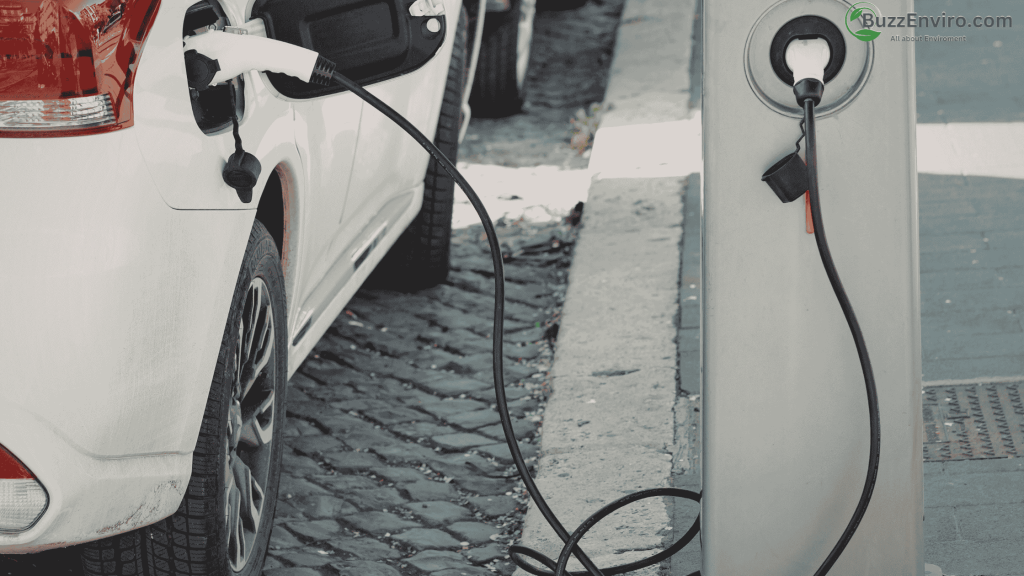
EV battery safety refers to the suite of design features, chemical stabilities, and electronic monitoring systems intended to prevent uncontrolled energy releases, such as fires or explosions. While high-profile incidents often make headlines, the reality is that electric vehicles (EVs) are statistically safer than their petrol counterparts. As of 2026, data shows EVs are roughly 20 to 80 times less likely to catch fire than internal combustion engine (ICE) vehicles. This guide addresses the common question, “Are EV batteries safe?” with a resounding yes—provided they meet modern regulatory standards and are maintained correctly.
📌 Table of Contents
- How EV Batteries Store and Release Energy
- Key EV Battery Safety Risks Explained
- Understanding EV Battery Fire Incidents
- EV Battery Safety Systems and Design
- Global and Indian EV Battery Safety Standards
- Practical EV Battery Safety Tips for Users
- The Future: Solid-State and Beyond
- Frequently Asked Questions (FAQ)
How EV Batteries Store and Release Energy?
At the heart of every modern EV is lithium-ion battery safety technology. Unlike the small battery in your phone, an EV battery consists of thousands of individual cells organized into modules and packs.
Why High Energy Density Matters?
Electric vehicles require high energy density to provide a decent driving range. However, packing significant energy into a small space inherently creates a risk of heat buildup. While a phone battery might swell if it fails, an EV battery uses a liquid electrolyte that is flammable, requiring sophisticated EV battery protection systems to keep the chemistry stable.
Key EV Battery Safety Risks Explained
Understanding EV battery fire risk requires looking at what happens when things go wrong. These incidents are rarely spontaneous; they are usually triggered by specific stressors.
- Thermal Runaway: This is a chain reaction where one cell’s failure generates heat that ignites neighboring cells. Once started, it can be self-sustaining as the battery produces its own oxygen.
- Short Circuits: Often caused by “dendrites”—tiny metallic spikes that grow inside a cell over time, eventually piercing the separator.
- Physical Damage: High-impact accidents can breach the protective casing, leading to immediate chemical reactions.
- Manufacturing Defects: Microscopic impurities from the factory floor can lie dormant for years before causing a failure.
Understanding EV Battery Fire Incidents

Why do electric vehicle fire incidents feel so much more alarming? It comes down to physics and media perception.
- Intensity: EV fires burn at roughly $1,000C and are notorious for “reignition,” where a battery appears extinguished but flares up hours later.
- Statistics vs. Headlines: In Norway, where nearly 30% of cars are electric, the fire rate for EVs is just 0.034 per 1,000 vehicles, compared to 0.195 for petrol cars.
- Suppression Challenges: Firefighters cannot simply “smother” an EV fire because the battery generates its own oxygen. They must use massive amounts of water (often 10,000+ liters) specifically to cool the pack, not just put out the flames.
EV Battery Safety Systems and Design
Manufacturers use multiple layers of defense to prevent EV battery thermal runaway.
- Battery Management System (BMS): A microprocessor that monitors every cell’s voltage and temperature 24/7. It can shut down the pack in milliseconds if an anomaly is detected.
- Thermal Management: Most modern EVs use liquid cooling—a network of pipes carrying coolant around the cells—to maintain a steady temperature even in extreme heat.
- Fire Barriers: Internal blankets and aerogel sheets designed to contain a fire within a single module, preventing it from spreading to the rest of the pack.
- Aegis Casings: Heavily reinforced steel or aluminum “skeletons” that protect the battery from side-impact collisions.
Global and Indian EV Battery Safety Standards
Rigorous testing ensures that only the safest batteries hit the road.
India: AIS-156 and AIS-038
In 2026, India leads the world in specific “hot climate” standards. The AIS-156 (Phase 2) mandate requires batteries to undergo:
- Thermal Propagation Tests: Ensuring a single-cell fire doesn’t spread.
- IP67/IPX7 Ratings: Ensuring the battery remains waterproof even during monsoon floods.
- Active Parallel Circuits: Micro-fuses that isolate faulty strings of cells instantly.
Global Benchmarks
- UN ECE R100: The primary international standard for high-voltage vehicle safety.
- UL 2580: A grueling series of tests involving fire exposure, water immersion, and crushing.
EV Battery Safety in India (Local Relevance)
India faces unique challenges, including $48^\circ\text{C}$ summers and dusty charging environments. EV safety standards India have been updated to include “Smart BMS” requirements that can log data to the cloud, allowing manufacturers to predict a failure before it happens. In 2026, the Battery Pack Aadhaar (BPAN) system also ensures every battery is traceable from “cradle to grave.”
Practical EV Battery Safety Tips for Users
You can significantly improve your car’s lithium-ion battery safety with these DIY habits:
- Avoid the “Top and Bottom”: Try to keep your charge between 20% and 80%. Leaving a car at 100% in a hot parking lot stresses the chemistry.
- Cool Down Before Charging: After a long highway drive, let the car sit for 15-30 minutes before plugging into a DC fast charger.
- Inspect After Scrapes: If you bottom out on a tall speed breaker, get a service center to inspect the battery casing for dents.
- Use OEM Chargers: Third-party “local” chargers may lack the communication protocols needed to tell the BMS when to stop.
What’s Next: The Future of EV Battery Safety
The “holy grail” of safety is the solid-state battery. Expected to enter mass production by 2027–2030, these batteries replace the flammable liquid electrolyte with a solid ceramic or polymer layer.
- No Fire Risk: Solid electrolytes are non-flammable.
- LFP Dominance: In 2026, Lithium Iron Phosphate (LFP) chemistry is becoming the standard for budget EVs because it is significantly more thermally stable than older NMC chemistries.
Conclusion
EV batteries are highly engineered systems designed with “safety-first” redundancy. From the microprocessor-based BMS to the stringent AIS-156 standards in India, the industry has made massive strides in fire prevention. By staying informed and practicing healthy charging habits, you can enjoy the transition to electric mobility with total confidence.
Also Read:-How to Recycle Laptops Safely and Responsibly
Frequently Asked Questions (FAQ)
Are EV batteries safe in hot climates like India?
Yes, modern EVs designed for India use active liquid cooling systems and comply with AIS-156 standards, which are specifically tested for high-temperature stability.
Can an EV battery explode?
While the term “explosion” is often used, EV batteries are designed with pressure-relief mechanisms. In rare cases, they may vent gas or catch fire, but full structural explosions are extremely uncommon.
What should I do if my EV catches fire?
Evacuate immediately and move at least 50 feet away from the vehicle. Call emergency services and clearly inform them that it is a lithium-ion battery fire so appropriate cooling equipment is used.
Are EVs safer than petrol vehicles?
Yes. Data from 2025–2026 shows that internal combustion engine (ICE) vehicles catch fire approximately 5–10 times more often per mile driven compared to electric vehicles.