
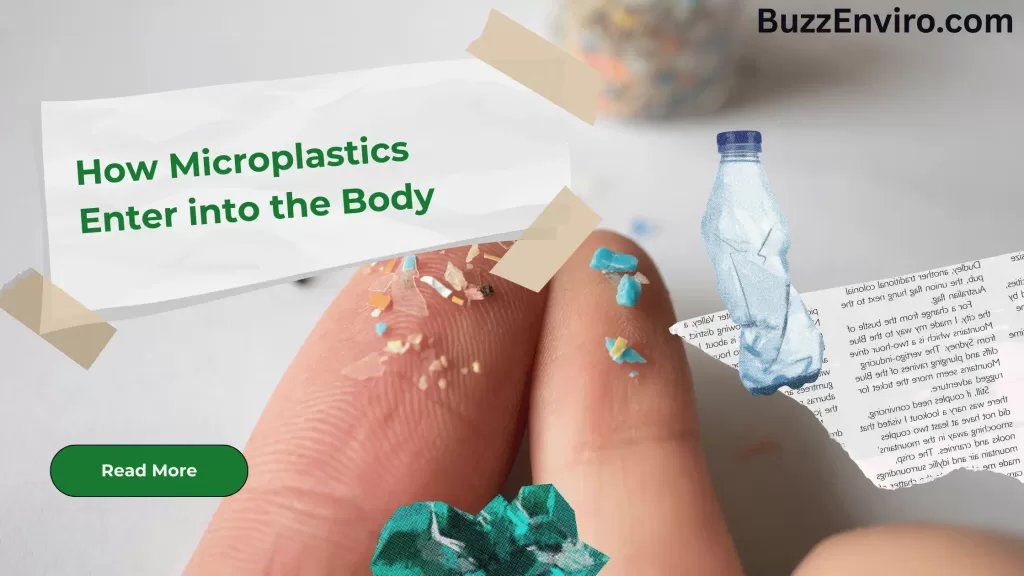
Microplastics are no longer just an environmental issue — they have become a human health concern. These tiny plastic particles have been found in drinking water, food, air, and even inside the human body. Scientists across the world are now warning that long-term exposure to microplastics may pose serious risks, especially to children and pregnant women.
At Buzzenviro, we aim to explain complex environmental problems in simple language. This article explores how microplastics enter the human body, their health effects, and what we can do to reduce exposure.
What Are Microplastics?
Microplastics are plastic particles smaller than 5 millimeters. They originate from:
🔹 Primary microplastics
- Microbeads in cosmetics
- Industrial plastic pellets
- Synthetic fibers used in textiles
🔹 Secondary microplastics
- Breakdown of plastic bottles, bags, and packaging
- Wear and tear of synthetic clothing
- Degradation of fishing nets and plastic waste
Because plastic never fully decomposes, it only breaks into smaller particles, making microplastics almost impossible to remove from the environment.
How Do Microplastics Enter the Human Body?
Microplastics enter our body through three main pathways:
1️⃣ Microplastics in Drinking Water
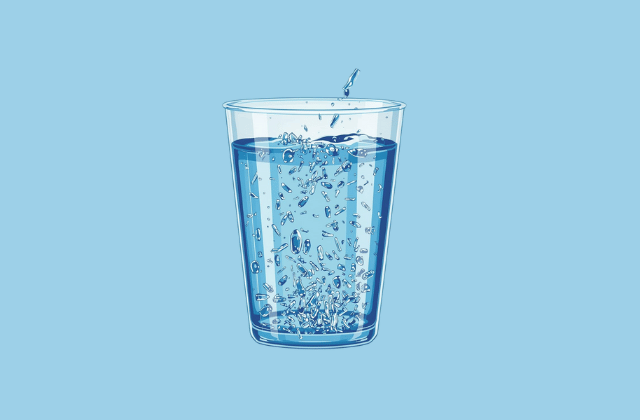
Studies have found microplastics in:
- Bottled water
- Tap water
- Groundwater sources
Bottled water often contains more microplastics than tap water, mainly due to plastic packaging.
2️⃣ Microplastics in Food

Microplastics have been detected in:
- Seafood and shellfish
- Sea salt
- Rice, vegetables, and fruits
- Packaged and processed foods
When marine animals consume microplastics, these particles move up the food chain, eventually reaching humans.
3️⃣ Microplastics in Air

Tiny plastic fibers released from:
- Synthetic clothing
- Carpets
- Household dust
These particles can be inhaled, allowing microplastics to enter the lungs.
Why Are Microplastics Dangerous to Humans?
1. Microplastics Can Enter Blood and Organs
Scientific studies have confirmed the presence of microplastics in:
- Human blood
- Lungs
- Liver
- Placenta
This means microplastics can travel through the body and interact with vital organs.
2. Microplastics Cause Inflammation
Once inside the body, microplastics may:
- Irritate tissues
- Trigger immune responses
- Cause gut inflammation
Chronic inflammation is linked to long-term health conditions.
3. Microplastics Carry Toxic Chemicals
Microplastics act like sponges, absorbing:
- Heavy metals
- Pesticides
- Industrial toxins
These chemicals may disrupt normal biological functions after entering the human body.
4. Microplastics Disrupt Hormones
Many plastics contain endocrine-disrupting chemicals such as BPA and phthalates, which can interfere with:
- Hormonal balance
- Reproductive health
- Metabolism
Microplastics and Children’s Health
Children are more vulnerable to microplastic exposure because:
- Their organs are still developing
- They breathe faster than adults
- They consume more food and water per body weight
Potential risks include:
- Developmental issues
- Weakened immunity
- Hormonal disturbances
Reducing plastic exposure in early life is extremely important.
Microplastics During Pregnancy
Research has found microplastics in the human placenta, raising concerns about fetal exposure.
Possible risks include:
- Impact on fetal development
- Increased exposure to toxic chemicals
- Long-term health effects still under study
Pregnant women are advised to limit plastic use wherever possible.
Environmental Impact of Microplastics
Microplastics don’t only affect humans — they also:
- Harm marine life and birds
- Reduce soil fertility
- Pollute freshwater ecosystems
- Persist in nature for hundreds of years
This creates a cycle of pollution that eventually returns to humans.
How to Reduce Microplastics Exposure at Home?
While complete avoidance is impossible, exposure can be reduced by:
- Using steel or glass bottles
- Avoiding plastic food containers
- Choosing natural fabrics (cotton, linen)
- Reducing packaged food consumption
- Avoiding cosmetics with microbeads
- Washing synthetic clothes less frequently
Small lifestyle changes can make a real difference.
What Governments and Industries Must Do to Control Microplastic Pollution
Microplastic pollution cannot be solved by individual actions alone. Governments and industries play a critical role in reducing plastic production, regulating harmful materials, and protecting public health.
1. Strengthen Plastic Production Regulations
Governments must limit the production of unnecessary single-use plastics by:
- Introducing stricter bans on non-essential plastic products
- Promoting extended producer responsibility (EPR) policies
- Encouraging companies to design reusable and refillable packaging
Reducing plastic production at the source is the most effective way to limit future microplastic pollution.
2. Ban Microbeads and Harmful Plastic Additives
While some countries have banned microbeads in cosmetics, many regions still lack proper enforcement.
Governments should:
- Enforce global bans on plastic microbeads
- Regulate toxic additives such as BPA and phthalates
- Ensure transparency in product ingredient labeling
This directly reduces human exposure to microplastics through personal care products.
3. Improve Waste Management and Recycling Systems
Poor waste management is a major contributor to microplastic pollution.
Governments and municipalities must:
- Invest in modern waste segregation systems
- Upgrade recycling infrastructure
- Prevent plastic leakage into rivers and oceans
Industries should support recycling initiatives instead of relying on landfill disposal.
4. Hold Industries Accountable for Plastic Pollution
Industries must take responsibility for the plastic waste they generate.
This includes:
- Financing waste collection and recycling programs
- Reporting plastic usage publicly
- Reducing plastic packaging in supply chains
Accountability encourages companies to shift toward sustainable alternatives.
5. Promote Research and Public Health Studies
Microplastics are still a developing area of scientific research.
Governments should:
- Fund long-term studies on microplastics and human health
- Support independent environmental research institutions
- Use scientific evidence to shape public policy
Without research-backed policies, the health risks of microplastics may continue to grow unnoticed.
6. Encourage Innovation and Sustainable Alternatives
Industries must invest in:
- Biodegradable and compostable materials
- Plastic-free packaging solutions
- Circular economy models
Government incentives can accelerate the adoption of eco-friendly technologies.
7. Raise Public Awareness Through Education
Public awareness is essential for long-term change.
Governments and industries should:
- Run nationwide awareness campaigns
- Include plastic pollution education in school curricula
- Encourage responsible consumption habits
Informed citizens are more likely to support sustainable policies.
Why This Matters?
Without strong action from governments and industries, microplastic pollution will continue to rise, affecting ecosystems, food chains, and human health. System-level solutions are essential to protect future generations from irreversible environmental damage.
Also Read:- Effective Plastic Waste Management principles of reduce reuse and recycle