
As the climate crisis intensifies, renewable energy is no longer an option—it’s a necessity. In 2026, countries worldwide are accelerating the transition from fossil fuels to clean, sustainable energy sources. From solar panels on rooftops to massive offshore wind farms, renewable energy is powering a greener, safer future.
In this article, we’ll explore the top 5 renewable energy sources leading the charge, highlighting how each contributes to reducing carbon emissions, creating jobs, and protecting the planet.
1. Solar Energy: Harnessing the Sun’s Limitless Power
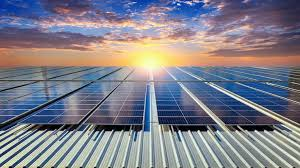
Solar energy continues to dominate the renewable energy landscape in 2026. Advances in technology have made solar panels more efficient, affordable, and accessible than ever before.
Why it matters:
- Cuts greenhouse gas emissions significantly
- Provides energy independence for homes and businesses
- Creates green jobs in installation, maintenance, and manufacturing
Did you know?
Global solar capacity grew by over 15% in the last year, making solar energy a cornerstone of sustainable energy policy worldwide.
2. Wind Energy: Turning Air into Clean Electricity
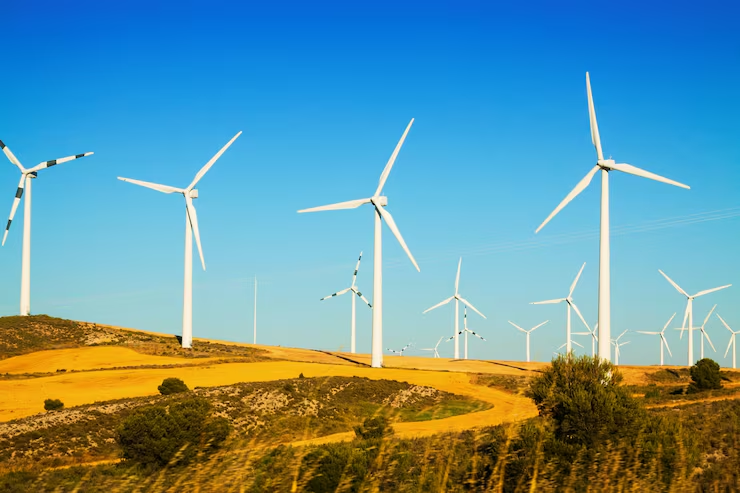
Wind energy has expanded rapidly, with both onshore and offshore wind farms generating massive amounts of clean power. Modern turbines are taller, more efficient, and capable of producing electricity even at low wind speeds.
Key benefits:
- No fuel required, reducing dependency on fossil fuels
- Minimal environmental impact compared to coal or oil
- Scalable from small local projects to national grids
Wind energy now contributes nearly 10% of global electricity supply, a number expected to rise sharply in 2026.
3. Hydropower: Energy from Flowing Water

Hydropower is one of the oldest forms of renewable energy, harnessing rivers and streams to produce electricity. In 2026, small-scale hydro projects are gaining attention as sustainable alternatives to large dams.
Benefits of hydropower:
- Provides reliable, consistent energy
- Supports irrigation and water supply
- Reduces carbon footprint compared to fossil fuels
Fact: Small-scale hydro is now powering remote communities sustainably without harming local ecosystems.
4. Geothermal Energy: Heat from Beneath the Earth
Geothermal energy taps into the Earth’s natural heat to generate electricity and heat buildings. This always-on energy source is gaining traction in volcanic regions and areas with geothermal activity.
Why it’s important:
- Produces minimal greenhouse gas emissions
- Available 24/7 unlike solar or wind
- Long-lasting and stable energy supply
2026 highlight: New geothermal plants in Iceland and Indonesia are demonstrating the scalability of this clean energy source.
5. Biomass Energy: Turning Waste into Power
Biomass energy converts organic waste—from agricultural residues to municipal waste—into electricity, heat, or biofuels. It’s a unique solution that addresses both energy and waste management challenges.
Advantages:
- Reduces landfill waste
- Produces energy that can power homes and industries
- Supports a circular economy, turning waste into resource
Example: Sweden and Japan are leading in biomass energy usage, demonstrating how waste can become a valuable energy resource.
The Future is Renewable
Renewable energy sources are more than just alternatives; they are essential tools in the fight against climate change. Solar, wind, hydro, geothermal, and biomass energy are transforming 2026 into a turning point for sustainable energy.
By adopting these technologies, we can reduce carbon emissions, protect ecosystems, and create economic opportunities, ensuring a cleaner and greener planet for future generations.
External Authority Links: