
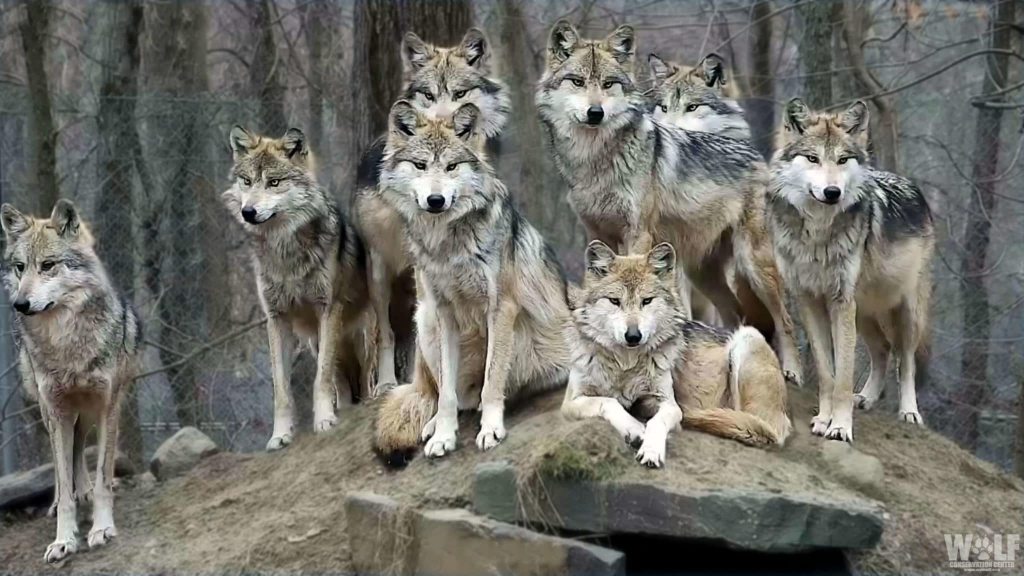
Washington, D.C. — December 16, 2025 — The U.S. House of Representatives is set to vote on H.R. 845, a bill that seeks to Delisting Gray Wolves from Endangered Species Act (ESA) protections. The bill, which has sparked intense debate among conservationists, ranchers, and lawmakers, could have significant implications for the future of gray wolf populations across the U.S.
Key Provisions of the Bill
H.R. 845, also known as the Pet and Livestock Protection Act, was introduced by Rep. Lauren Boebert (R-CO), with support from several other Republican lawmakers. If passed, the bill would delist gray wolves across the lower 48 states, effectively removing federal protections under the ESA. This would grant individual states the authority to manage wolf populations without federal oversight, including the potential for regulated hunting of wolves.
Supporters of the bill argue that gray wolf populations have recovered sufficiently in many parts of the country, particularly in the Northern Rockies and Upper Midwest, where wolf numbers have increased over the years. They contend that state management of wolves would allow for better control and protection of livestock, particularly in areas where wolves are perceived as a threat to farm animals.
Supporters’ Arguments: A Success Story in Recovery
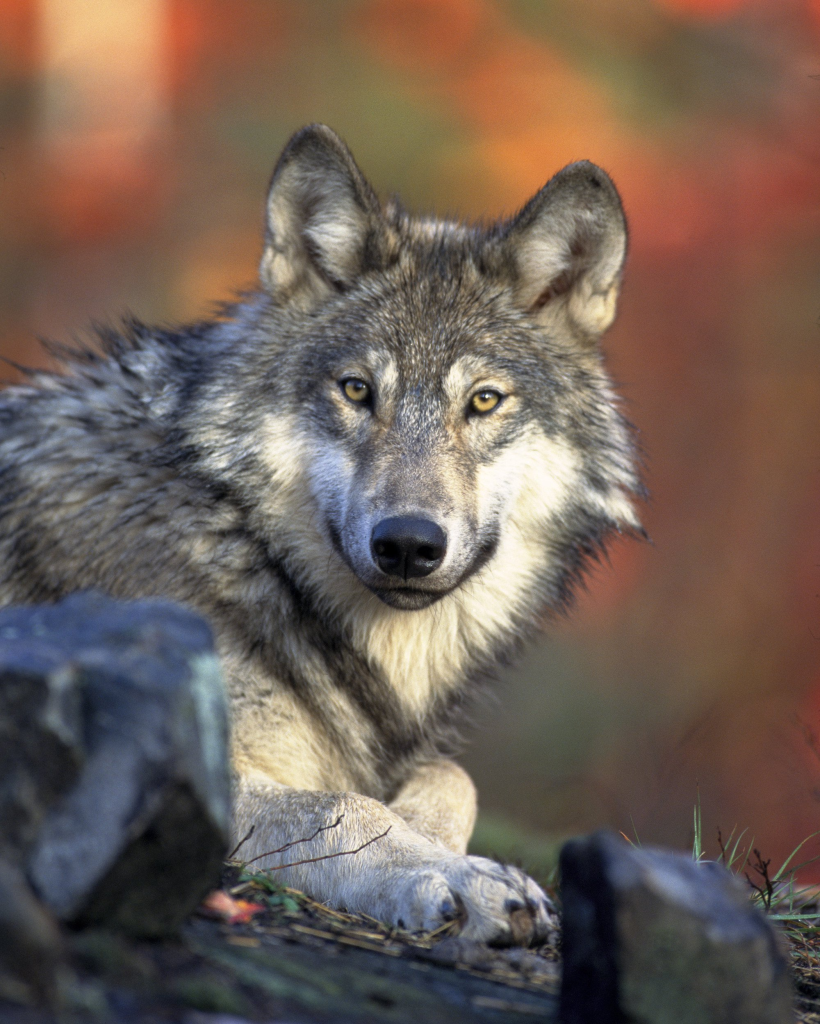
Proponents of delisting believe that the recovery of gray wolves in certain regions demonstrates the success of federal protections and conservation efforts. According to these advocates, the wolf population has rebounded to levels that no longer require ESA protections. States such as Montana, Wyoming, and Idaho have already seen significant wolf populations and have implemented their own management strategies for balancing wolf conservation with agricultural interests. Removing federal protections, supporters argue, would allow for more localized management and ensure the well-being of farmers and ranchers.
Rep. Boebert and other backers of the bill stress that this move is necessary for livestock protection and for restoring state rights over wildlife management. The bill has already passed the House Natural Resources Committee and is now scheduled for a full vote in the House. (house.gov)
Opposition to Delisting: Concerns Over Premature Action
While the bill has gained traction among rural lawmakers, environmental organizations and wildlife conservationists are strongly opposed to the proposal. Groups like Defenders of Wildlife argue that gray wolves still face significant threats in many regions, including human-wildlife conflict and habitat loss. They also warn that delisting the species could lead to unregulated hunting and further declines in wolf numbers, especially in states where wolves have not fully recovered.
“Delisting gray wolves is premature,” said Robert Dewey, Vice President of Government Relations at Defenders of Wildlife. “The science does not support the idea that wolves are out of danger, and removing federal protections puts them at risk of being hunted back into decline.”
Wildlife experts also caution that the recovery of gray wolves has been uneven across the country. In areas where wolves are still struggling to establish a stable population, removing protections could set back conservation efforts and threaten long-term species survival.
The History of Gray Wolf Recovery
Gray wolves were once nearly driven to extinction in the lower 48 states by hunting, trapping, and habitat destruction. Under the Endangered Species Act, gray wolves were granted protections in the 1970s, and subsequent recovery efforts helped reintroduce wolves to areas such as Yellowstone National Park and parts of the Great Lakes region.
While the wolf population has grown, especially in the Rocky Mountains and Great Lakes, advocates for continued ESA protections argue that the wolves’ recovery is still fragile. For example, wolves in California, Oregon, and Washington are still in the early stages of recovery, and additional protections are crucial to ensure their survival.
In 2020, the Trump administration issued a final rule to delist gray wolves from the ESA, a decision that was overturned by a court ruling in 2022. Since then, the debate over whether to continue federal protections for wolves has intensified, with lawmakers on both sides of the issue voicing strong opinions.
The Road Ahead: What’s Next for the Bill?
If H.R. 845 passes in the House of Representatives, it will move to the Senate for further consideration. If approved there, the bill will be sent to President Joe Biden for signing into law. Given the partisan divide over the issue, the outcome of the vote is uncertain, and it is expected to continue sparking heated debate in Congress.
The decision to delist gray wolves reflects a broader national conversation about the future of the Endangered Species Act and the delicate balance between conservation and economic interests. How Congress addresses this issue could set a precedent for the management of other species listed under the ESA.
Conclusion
The upcoming House vote on delisting gray wolves represents a critical moment in the ongoing debate over wildlife conservation and management in the U.S. As both sides make their case, the future of gray wolves hangs in the balance, with potential consequences for their continued survival and the future of the Endangered Species Act itself.
Also Read:- The World’s 10 Most Important Endangered Species
Sources: