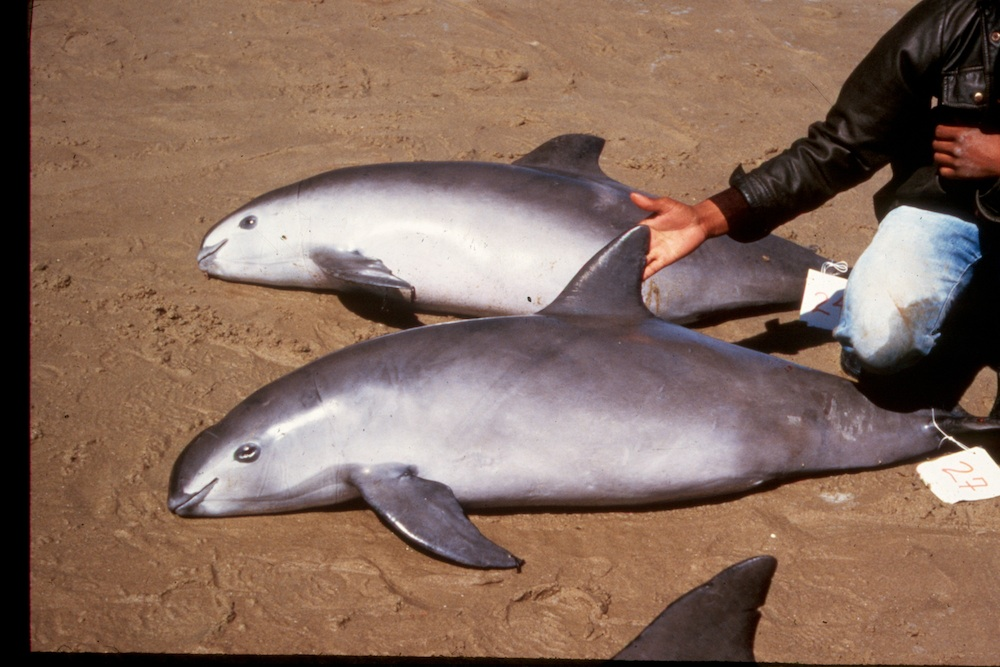
The vaquita (Phocoena sinus) is a small porpoise species that inhabits only the northern part of the Gulf of California in Mexico. This elusive mammal has been called the most endangered marine mammal on Earth. Its population has been rapidly declining due to illegal fishing activities, and it is now considered critically endangered with fewer than 10 individuals remaining in the wild.
Physical Description and Behavior:
Size: The vaquita is a small cetacean, reaching up to 4.5 feet (1.4 meters) in length and weighing up to 120 pounds (55 kg).
Appearance: Its body is a dark gray with light underparts, with distinguishing dark rings around its eyes and dark patches around the lips, giving it a unique “smiling” appearance.
Behavior: Vaquitas are known to be shy and elusive, making them difficult to study. They typically live in shallow waters, and they mostly feed on small fish and squid.
Habitat: Where Do Vaquitas Live?
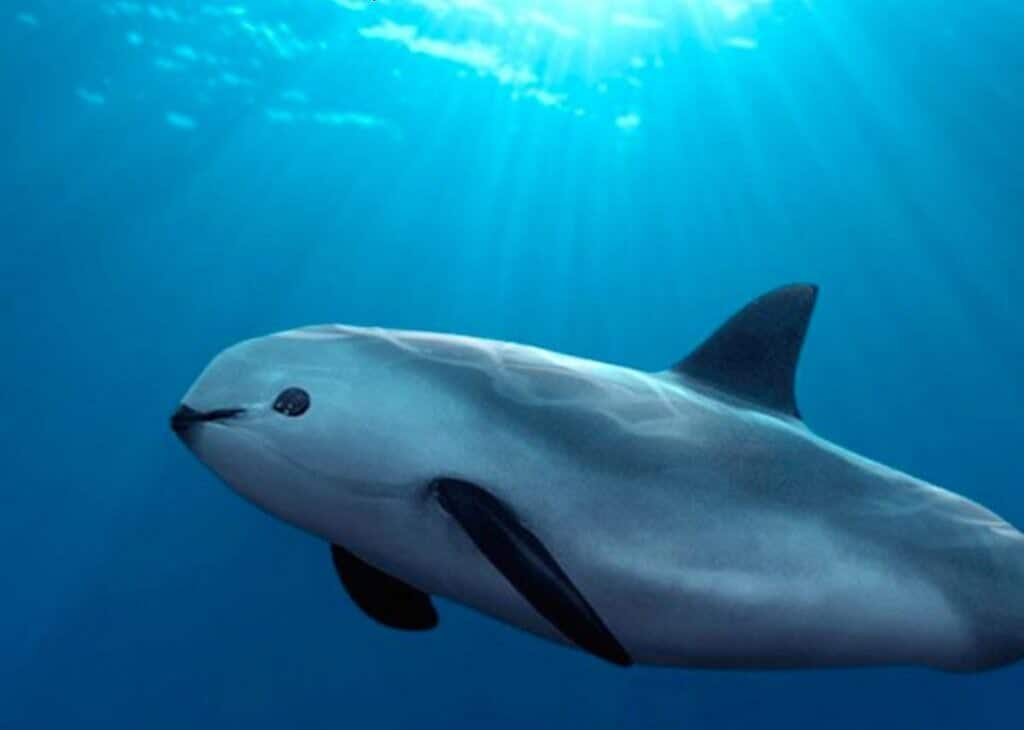
Vaquitas are found only in the northern part of the Gulf of California, also known as the Sea of Cortez, which is located between Baja California and mainland Mexico. Their range is very small — about 1,500 square miles (3,900 square km) of shallow waters. This extremely limited habitat makes them even more vulnerable to the impacts of illegal fishing and environmental threats.
Why Are Vaquitas Critically Endangered?
The main threat to vaquitas is bycatch, meaning they get accidentally caught in gillnets used for fishing. These nets are primarily used to catch totoaba fish, which are valued for their bladders in illegal markets, particularly in China. The nets trap vaquitas, leading to drowning. Despite legal protections against gillnets in vaquita habitat, illegal fishing continues to be rampant.
Population Decline: How Many Vaquitas Are Left?
As of the most recent surveys, the population of vaquitas has dramatically declined from 567 individuals in 1997 to fewer than 10 individuals in 2023. Some estimates even suggest that only about 2–5 individuals remain today, making the vaquita one of the rarest mammals on Earth. This is a catastrophic decline that is largely driven by continued illegal fishing activities and the failure of conservation measures to effectively stop gillnetting in the region.
Current Conservation Efforts: Is There Hope?
Several conservation efforts are underway to save the vaquita, including:
Operation Milagro: This initiative is a collaboration between the Mexican government and organizations like Sea Shepherd to remove illegal gillnets from the vaquita’s habitat. The operation also works to monitor the vaquita’s population.
No Take Zones: Areas in the upper Gulf of California have been designated as zero-tolerance zones for illegal fishing, where gillnets are banned and the region is patrolled by the authorities to prevent illegal fishing.
International Cooperation: Efforts are also being made to combat illegal trade in totoaba bladders, which are one of the primary drivers of the illegal fishing that harms vaquitas. Several international groups are working with Mexican authorities to reduce demand for these items in black markets.
Genetic Research: Genetic studies indicate that vaquitas still have genetic diversity, meaning there is some hope for their recovery if effective conservation actions can ensure no further deaths.
What Needs to Happen?
To save the vaquita, experts agree that the entire gillnet issue must be addressed immediately, and stronger enforcement against illegal fishing practices is critical. There is still a possibility of recovery if bycatch is reduced to zero, and if no additional deaths occur. However, time is running out. The vaquita’s continued existence depends on effective protection of their environment and drastic action against illegal fishing.
Why the Vaquita Matters: The Importance of Saving It
The vaquita’s survival is not just about preserving a rare animal. It is about protecting an entire ecosystem — the northern Gulf of California, which is rich in biodiversity. The vaquita, as a keystone species, plays a crucial role in maintaining the health of this unique marine environment.
If the vaquita goes extinct, it would serve as a stark reminder of the dangers of unsustainable fishing practices, illegal wildlife trade, and lack of effective conservation. It would also signify the loss of another species due to human impact, highlighting the urgent need for global environmental action.
The Future of the Vaquita
As of now, the future of the vaquita is uncertain, with fewer than 10 individuals believed to remain in the wild. Immediate, effective action is needed to stop illegal fishing and ensure that conservation efforts succeed. If humans can come together to protect the vaquita, it may still be possible to save this iconic and critically endangered marine mammal from extinction.
Also Read:- Why Red Pandas are Endangered Species
Sources
- World Wildlife Fund (WWF). “Vaquita.” World Wildlife Fund. Accessed December 17, 2025. https://www.worldwildlife.org/species/dolphin-and-porpoise/vaquita
- Porpoise.org. “Why is the Vaquita Endangered?” Porpoise Conservation Society. Accessed December 17, 2025. https://porpoise.org/knowledge-base/why-is-the-vaquita-endangered
- International Union for Conservation of Nature (IUCN). “Vaquita.” IUCN Cetacean Specialist Group. Accessed December 17, 2025. https://iucn-csg.org/vaquita
- SeafoodSource. “Latest Survey Shows Slight Increase in Critically Endangered Vaquita Population.” SeafoodSource. Published December 16, 2025. https://www.seafoodsource.com/news/environment-sustainability/latest-survey-shows-slight-increase-in-critically-endangered-vaquita-population
- Porpoise.org. “Why is the Vaquita Endangered?” Porpoise Conservation Society. Accessed December 17, 2025. https://porpoise.org/knowledge-base/why-is-the-vaquita-endangered