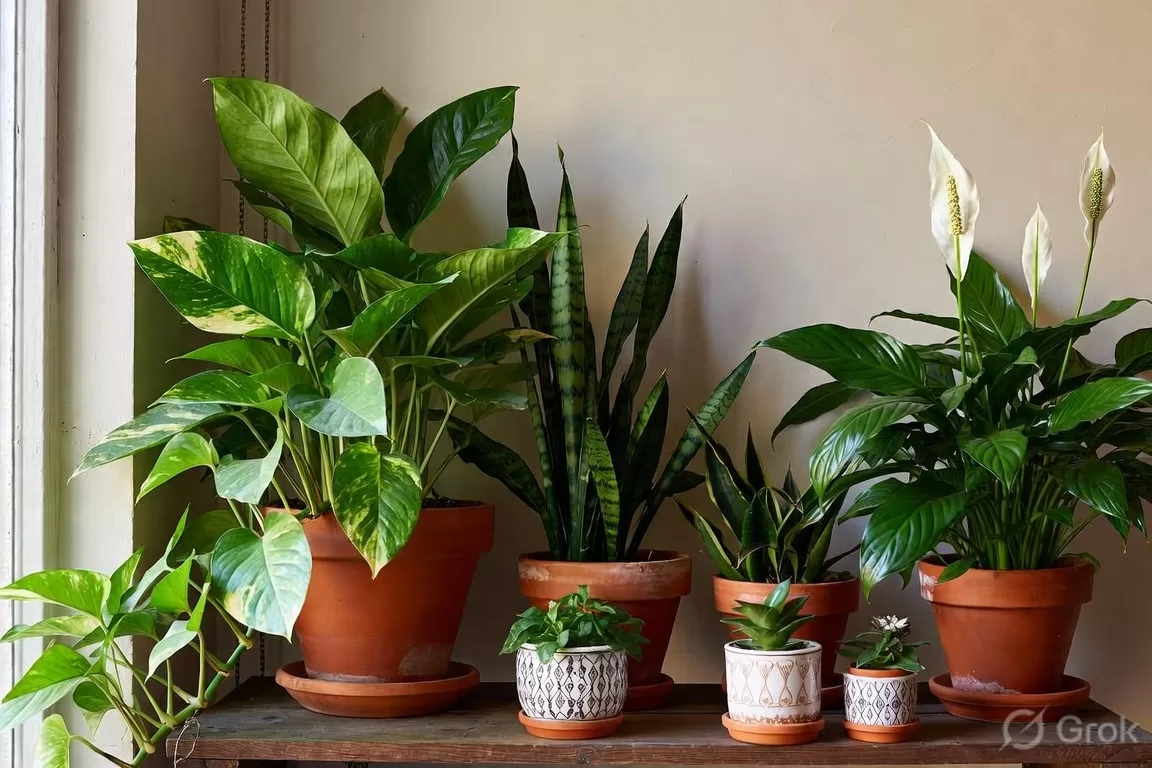
With indoor air quality drawing more attention every year, air-purifying houseplants remain one of the most popular — and most misunderstood — solutions people reach for. Here’s an honest look at the best air purifying plants for home use, backed by the real research behind them.
What Is the NASA Clean Air Study — And What It Actually Found
In short: NASA’s 1989 Clean Air Study tested common houseplants in sealed chambers and found several species could absorb specific indoor pollutants, but real homes don’t behave like sealed lab chambers.
The original NASA research, led by B.C. Wolverton, tested interior landscape plants for their ability to remove indoor air pollutants, and later work expanded the list and focused on removal of specific chemicals. It became one of the most widely cited justifications for indoor greenery — but the fine print matters. Wikipedia
The Top Plants and What They Remove
- Snake Plant — removes formaldehyde, xylene, and toluene; extremely low-maintenance and tolerant of low light
- Spider Plant — effective against formaldehyde, benzene, xylene, toluene, and nitrogen oxides; ideal for beginners
- Peace Lily — removes formaldehyde, benzene, trichloroethylene, xylene, and ammonia; also adds helpful humidity
- Pothos — hardy, fast-growing, and effective against common household VOCs
- English Ivy and Bamboo Palm — strong performers against benzene and trichloroethylene, with the bamboo palm doubling as a natural humidifier
What Newer Research Says
This is where it gets important for realistic expectations. Follow-up research from Drexel University found that in normal homes with typical airflow — as opposed to sealed test chambers — the air-purifying effect of houseplants is far smaller than the original study implied. You would realistically need dozens of plants per room to match what a single air purifier can do. That doesn’t mean plants are useless — they still add humidity, aesthetic value, and measurable mental health benefits — but they shouldn’t replace mechanical filtration or ventilation as your primary defense against indoor pollutants.
How to Actually Improve Indoor Air Quality
- Use plants for humidity, mood, and modest pollutant reduction — not as a stand-alone solution
- Pair 2–3 well-placed plants per room with a HEPA air purifier for real particulate removal
- Ventilate regularly, especially after cooking, cleaning, or during high-pollution outdoor days
- Avoid off-gassing furniture and finishes where possible to reduce the pollutant load in the first place
Conclusion
The best air purifying plants for home use — snake plants, spider plants, peace lilies, and pothos among them — are genuinely useful additions to a healthy home, but the science shows their impact is modest rather than magical. Combine them with good ventilation and mechanical filtration for the best real-world results in 2026.
Leave a Reply